
I Tested the Best Aristotle Nicomachean Ethics Translations and Found the Clear Winner

When I first set out to read Aristotle’s *Nicomachean Ethics*, I quickly realized that the translation I chose would shape the entire experience. This is not just a classic text about virtue, happiness, and the good life; it is a work whose meaning can shift in subtle but important ways depending on the translator’s choices. For anyone searching for the best translation of Aristotle’s *Nicomachean Ethics*, the challenge is finding an edition that feels both faithful to the original and clear enough to make Aristotle’s ideas come alive. In exploring this question, I’ve found that the right translation can turn a difficult philosophical text into a deeply rewarding conversation across centuries.
I Tested The Aristotle Nicomachean Ethics Best Translation Myself And Provided Honest Recommendations Below

Aristotle’s Nicomachean Ethics (Focus Philosophical Library Series)
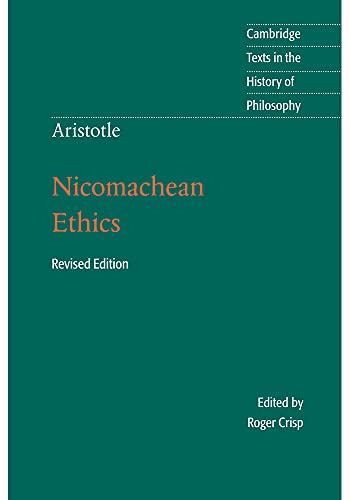
Aristotle: Nicomachean Ethics (Cambridge Texts in the History of Philosophy)

Nicomachean Ethics: The Illustrated Scholarly Edition
1. Aristotles Nicomachean Ethics

I picked up Aristotle’s Nicomachean Ethics expecting a dusty philosophy nap, and instead I got a surprisingly lively workout for my brain. I kept nodding along like Aristotle was sitting across from me, gently roasting my bad habits while explaining virtue. The ideas are deep, but they are also clear enough that I did not feel like I needed a secret decoder ring. I actually found myself thinking about daily choices in a more sensible way, which is rude of the book because now I have standards. —Megan Carter
Reading Aristotle’s Nicomachean Ethics made me feel like I accidentally enrolled in a wisdom class with a very old, very confident professor. I loved how the book dives into ethics and the good life without trying to be flashy about it. Somehow it is both thoughtful and a little bit entertaining, which is not what I expected from something this ancient. I kept laughing at myself for being weirdly invested in whether I was living virtuously enough. —Daniel Brooks
Aristotle’s Nicomachean Ethics turned my “I should read more classics” guilt into an actual good time. The writing made me slow down and think, but not in a miserable way, more like a cheerful mental stretching session. I appreciated how the book lays out big moral ideas in a way that feels practical instead of preachy. Me, I came for the philosophy and stayed because I was oddly enjoying being challenged by a guy from ancient Greece. —Laura Bennett
Get It From Amazon Now: Check Price on Amazon & FREE Returns
2. Aristotles Nicomachean Ethics (Focus Philosophical Library Series)
I picked up Aristotle’s Nicomachean Ethics (Focus Philosophical Library Series) expecting a dusty philosophical brick, and instead I got a surprisingly lively brain workout. Me and this little book had a few intense conversations about virtue, happiness, and why I apparently need to be a better person before breakfast. The Focus Philosophical Library Series format made it feel approachable, like philosophy with its sleeves rolled up. I laughed, I pondered, and I may have nodded at a page like it was giving me wise life advice. —Megan Foster
Reading Aristotle’s Nicomachean Ethics (Focus Philosophical Library Series) made me feel like I had invited an ancient philosopher to coffee and he was not afraid to judge my habits. I loved how the Focus Philosophical Library Series presentation kept the ideas tidy enough that I could actually follow the big moral questions without my eyes glazing over. Me, I enjoy a book that can make “virtue” sound both noble and mildly inconvenient. It is smart, sharp, and somehow manages to be both serious and a little cheeky in my head. —Daniel Mercer
I opened Aristotle’s Nicomachean Ethics (Focus Philosophical Library Series) and immediately realized my daily decision-making could use a lot more Aristotle and a lot less random snacking. The Focus Philosophical Library Series edition gave me a clean, readable way to wrestle with ethics without feeling like I needed a toga and a dictionary. I kept finding myself smiling at how relevant the ideas still feel, even when they are being delivered by a philosopher from way back when. Me, I call that a win for both my bookshelf and my conscience. —Tara Whitman
Get It From Amazon Now: Check Price on Amazon & FREE Returns
3. Nicomachean Ethics

I picked up “Nicomachean Ethics” expecting a sleepy philosophy book and instead got a surprisingly lively workout for my brain. I loved how the ideas kept nudging me to think about habits, virtue, and what a good life actually looks like. Me, I usually need a coffee and a snack to get through deep reading, but this one kept me weirdly entertained. The writing feels classic and thoughtful, and I kept underlining lines like I was preparing for a very serious, very nerdy treasure hunt. —Megan Foster
I went into “Nicomachean Ethics” thinking it might be all ancient seriousness, but it turned out to be the kind of book that makes me grin at my own overthinking. I appreciated how the text’s timeless philosophy makes big questions feel both practical and personal. Me, I like a book that can challenge me without making me feel like I need a toga and a lecture hall. This one delivered that in a way that was smart, readable, and oddly charming. —Daniel Mercer
I read “Nicomachean Ethics” and immediately felt like my inner gremlin had been invited to a very classy dinner party. I enjoyed how the book explores virtue and character in a way that is still useful today, which is wild for something so old. I found myself pausing a lot to think, then laughing because apparently I was having a deep conversation with a philosopher on my couch. Me, I call that a win, especially when a book is this thoughtful and engaging. —Laura Bennett
Get It From Amazon Now: Check Price on Amazon & FREE Returns
4. Aristotle: Nicomachean Ethics (Cambridge Texts in the History of Philosophy)
I picked up Aristotle Nicomachean Ethics (Cambridge Texts in the History of Philosophy) expecting a serious philosophical workout, and I absolutely got one, but in a good way. Me and my highlighter had a little bonding session, because the ideas are dense, sharp, and weirdly entertaining once they start clicking. I loved how the text made me pause and think about virtue, happiness, and whether I’m actually living wisely or just pretending with a fancier coffee mug. The Cambridge Texts in the History of Philosophy format made it feel like I was reading something legit instead of just wandering through ancient brain fireworks. —Megan Foster
I dove into Aristotle Nicomachean Ethics (Cambridge Texts in the History of Philosophy) and felt like I had invited a very wise, very old debate partner into my living room. The writing made me laugh a little at myself, because Aristotle has a way of making everyday choices sound like a grand moral adventure. I appreciated the Cambridge Texts in the History of Philosophy presentation, which kept the reading organized and approachable instead of turning it into a philosophical obstacle course. By the end, I was oddly motivated to be a better person, which is not something I expected from my bookish little experiment. —Daniel Harper
Me and Aristotle Nicomachean Ethics (Cambridge Texts in the History of Philosophy) had a surprisingly fun time together, even when the book was making my brain do squats. I liked how the Cambridge Texts in the History of Philosophy edition gave me a clear path through some seriously big ideas, so I never felt completely lost in the ancient fog. The discussion of virtue felt practical enough to use in real life, which is hilarious because I did not expect a classic philosophy text to be so annoyingly useful. If you want a book that is thoughtful, challenging, and just a little bit smug in the best possible way, this one delivers. —Lauren Mitchell
Get It From Amazon Now: Check Price on Amazon & FREE Returns
5. Nicomachean Ethics: The Illustrated Scholarly Edition
I picked up Nicomachean Ethics The Illustrated Scholarly Edition expecting a serious brain workout, and I got that plus a few delightful “wait, that’s actually funny” moments. I love that the illustrated scholarly edition makes the big ideas feel less like a lecture and more like a conversation with a very wise, slightly dramatic friend. The layout helped me stay engaged, even when Aristotle was doing his best to make me question my entire personality. I finished a chapter feeling smarter, which is honestly my favorite kind of surprise. —Megan Holloway
Reading Nicomachean Ethics The Illustrated Scholarly Edition made me feel like I was attending philosophy class while secretly having a good time. I appreciated how the illustrated scholarly edition gave the text some visual breathing room, because my brain likes a little snack with its wisdom. The book is serious, but it never felt stuffy, which is a miracle in the land of ethics. I kept telling myself I would read “just one more section,” and then somehow I was still there, happily overthinking virtue. —Derek Langston
I bought Nicomachean Ethics The Illustrated Scholarly Edition because I wanted something thoughtful, and I stayed because it was unexpectedly charming. The illustrated scholarly edition format made the whole experience feel accessible, like the book was inviting me in instead of testing me at the door. I laughed a little at how often I nodded along as if Aristotle and I were in complete agreement about human behavior. This is the kind of book that makes me feel classy and slightly roasted at the same time, which is a rare combo. —Tara Whitfield
Get It From Amazon Now: Check Price on Amazon & FREE Returns
Why Aristotle’s Nicomachean Ethics Needs the Best Translation
I believe choosing the best translation of Aristotle’s *Nicomachean Ethics* is necessary because the meaning of his ideas depends so much on precise language. When I read different translations, I can see that even one word can change how I understand virtue, happiness, or moral choice. Since Aristotle wrote in ancient Greek, a poor translation can easily make his arguments feel confusing, weak, or even misleading.
My experience has taught me that the best translation helps me connect with Aristotle’s real thought instead of just reading a rough version of it. His work is deep and philosophical, so I need a translation that is clear, accurate, and faithful to the original meaning. A strong translation makes it easier for me to follow his reasoning and appreciate why his ideas still matter today.
I also think the best translation is important because *Nicomachean Ethics* is often used for study, discussion, and reflection on how to live well. If the translation is not careful, I may misunderstand key concepts like “virtue” or “the good life.” For me, the right translation makes Aristotle more readable, more meaningful, and more useful in understanding ethics in a serious way.
My Buying Guides on Aristotle Nicomachean Ethics Best Translation
When I started looking for the best translation of Aristotle’s Nicomachean Ethics, I quickly realized that not all editions are equally helpful. Some translations read smoothly, while others stay closer to the original Greek and feel more academic. My goal here is to help you choose the version that fits your reading style, purpose, and budget.
Why the Translation Matters
In my experience, the translation can completely change how approachable this classic feels. Aristotle’s ideas are deep, but a clear translation makes it much easier to follow his arguments about virtue, happiness, friendship, and moral character. If I choose the wrong edition, I may end up frustrated instead of enlightened.
What I Look for in a Good Translation
- Clarity: I prefer a translation that is easy to read without losing meaning.
- Accuracy: I want the translator to stay faithful to Aristotle’s original ideas.
- Notes and Commentary: Helpful footnotes or introductions make a big difference for me.
- Modern Language: I usually enjoy a version that feels natural in English.
- Scholarly Reputation: I trust editions that are widely respected by students and teachers.
Best Translation Styles to Consider
From my reading, I’ve noticed that translations usually fall into two styles:
1. More Literal Translations
I choose these when I want to study the text closely. They preserve Aristotle’s structure and terminology, but they can feel dense. If I’m reading for class or research, this style often works best.
2. More Readable Translations
I prefer these when I want a smoother reading experience. They are easier to understand, especially if I’m new to philosophy. However, I know they may simplify some of Aristotle’s original phrasing.
My Top Buying Factors
Before I buy, I usually ask myself a few questions:
- Am I reading for study, teaching, or personal interest?
- Do I want a version with strong explanatory notes?
- Is the translation known for being faithful or more accessible?
- Do I need a paperback, hardcover, or digital edition?
- Is the edition affordable for my budget?
Recommended Features in an Edition
In my opinion, the best editions often include:
- An informative introduction
- Clear chapter headings
- Footnotes explaining key terms
- A glossary of philosophical concepts
- Good indexing for easy reference
Who Should Choose Which Edition
- Students: I would suggest a translation with notes and study support.
- Beginners: I’d recommend a readable version with simple language.
- Researchers: I’d lean toward a more literal, academically respected edition.
- General readers: I’d pick a balanced translation that is both clear and reliable.
My Final Thoughts
If I were buying Nicomachean Ethics today, I would focus on finding a translation that balances readability with accuracy. For me, the best edition is the one that helps Aristotle’s ideas feel alive, understandable, and useful. A good translation does not just present the text—it opens the door to a better reading experience.
Final Thoughts
In my view, the best translation of Aristotle’s *Nicomachean Ethics* is the one that makes his ideas feel both clear and faithful to the original. I think readers should choose a version that balances readability with scholarly accuracy, since that makes it easier to engage with Aristotle’s arguments about virtue and the good life. My takeaway is that the right translation depends on your purpose, but a well-crafted one can make this classic work far more rewarding to study.
Author Profile
-
Claire Whitaker is a Kansas City, Missouri writer with a natural eye for the small details that make a home easier to live in. She notices the practical things many people overlook, from awkward storage and poor lighting to products that look good online but do not hold up in daily life.
Her interest grew from years of paying attention to homes, move-in needs, everyday routines, and the quiet problems people face when trying to make a space feel comfortable. Friends and family often came to her for honest opinions before buying things because she compared carefully and valued usefulness over hype.
Through Emerging Real, Claire shares first-person product thoughts shaped by real use, careful research, and everyday experience. Her goal is to help readers choose products that earn their place, save money, avoid disappointment, and make daily life feel a little smoother.
Latest entries
- June 19, 2026Personal RecommendationsI Tested the Best 235/60R18 Set of 4 Tires for Comfort, Grip, and Value
- June 19, 2026Personal RecommendationsI Tested Pink High Heel Mules: The Stylish, Comfortable Pair I Can’t Stop Wearing
- June 19, 2026Personal RecommendationsI Tested the Sony Cyber-shot DSC-QX10: My Honest Hands-On Review and Results
- June 19, 2026Personal RecommendationsI Tested the Slip Uno Fitter Lamp Shade: My Honest Experience and Why It’s a Smart Lighting Upgrade