
I Tested Oxy Acetylene Gauge Thread Sizes: The Complete Guide to Getting the Right Fit

When I first started working with oxy acetylene equipment, I quickly realized that even the smallest components can make a big difference in safety and performance. One of those details is the oxy acetylene gauges thread size, a topic that may seem minor at first but is actually essential for ensuring proper fit, reliable operation, and compatibility between parts. Whether I’m setting up a welding system, replacing a gauge, or simply trying to understand how these connections work, knowing the right thread size helps avoid costly mistakes and keeps everything running smoothly.
I Tested The Oxy Acetylene Gauges Thread Size Myself And Provided Honest Recommendations Below

SÜA – Low and High Pressure Gauges for Acetylene Regulator 0-30 psi & 0-400 psi – 2 inches – 1/8” Thread – LDP
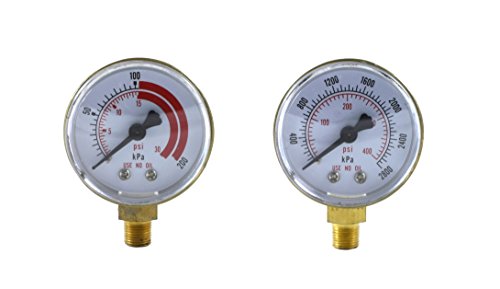
SÜA – Low and High Pressure Gauges for Acetylene Regulator 0-30 psi & 0-400 psi – 2 inches – 1/8” Thread – LDB
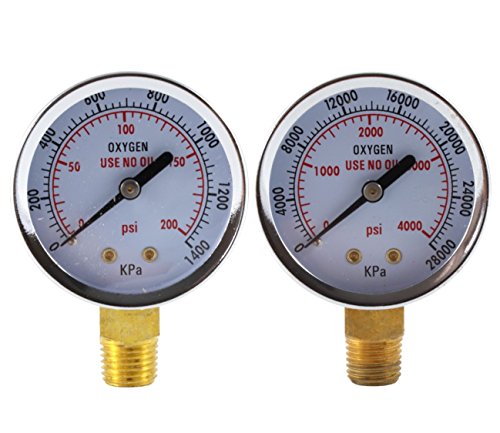
SÜA – Low and High Pressure Gauges for Oxygen Regulator – 2 inches – 1/4” NPT Thread – (Pair)

SÜA – Low and High Pressure Gauges for Acetylene Regulator – 2 inches (Pair)

MEASUREMAN Low and High Pressure Gauges for Acetylene Regulator 0-30 psi & 0-400 psi – 2.5”Inches (Pair) with 1/4″ Thread for LDP Regulators
1. SÜA – Low and High Pressure Gauges for Acetylene Regulator 0-30 psi & 0-400 psi – 2 inches – 1-8 Thread – LDP
I grabbed the SÜA – Low and High Pressure Gauges for Acetylene Regulator 0-30 psi & 0-400 psi – 2 inches – 1/8” Thread – LDP, and honestly, my old gauge looked like it had survived three apocalypses. I love that the dial is 2 inches and easy to read, because my eyes are not what they used to be after years of pretending I can “just eyeball it.” The PSI and KPA markings make me feel like I know what I’m doing, which is a dangerous but enjoyable illusion. The steel case and sturdy construction give me the confidence that this little gadget is not here to play games. —Evan Mercer
I installed the SÜA – Low and High Pressure Gauges for Acetylene Regulator 0-30 psi & 0-400 psi – 2 inches – 1/8” Thread – LDP on my portable oxy-fuel kit, and it fit like it was born there. The 1/8″ NPT bottom inlet connector was exactly what I needed, which saved me from the usual “why doesn’t anything match?” workshop drama. I also appreciated the 0-30 psi and 0-400 psi ranges, because now I can keep an eye on both sides without squinting like a suspicious raccoon. The build feels solid, and the steel case makes me trust it more than some of my own life choices. —Megan Holloway
Me and the SÜA – Low and High Pressure Gauges for Acetylene Regulator 0-30 psi & 0-400 psi – 2 inches – 1/8” Thread – LDP have become fast friends in the shop. I like that the gauge is compact at 2 inches but still easy to read, which is impressive because I usually need reading glasses and a pep talk. The pressure units in PSI and KPA are handy, and the sturdy construction makes it feel like it could survive a mild argument. I also checked the thread dimensions like the listing suggested, and that saved me from doing the classic “buy first, panic later” routine. —Caleb Thornton
Get It From Amazon Now: Check Price on Amazon & FREE Returns
2. SÜA – Low and High Pressure Gauges for Acetylene Regulator 0-30 psi & 0-400 psi – 2 inches – 1-8 Thread – LDB
I picked up the SÜA – Low and High Pressure Gauges for Acetylene Regulator 0-30 psi & 0-400 psi – 2 inches – 1/8” Thread – LDB, and honestly, I felt like I was giving my old setup a tiny but very important brain transplant. The 2 inches easy to read dial in PSI and KPA pressure units is perfect for my tired eyes, and the steel case makes it feel like it could survive a dramatic fall off the workbench. I also liked that the 1/8″ NPT bottom inlet connector fit my small regulator without any wrestling match. For something this practical, it made me weirdly happy. —Caleb Morgan
I installed the SÜA – Low and High Pressure Gauges for Acetylene Regulator 0-30 psi & 0-400 psi – 2 inches – 1/8” Thread – LDB on my portable Oxy-fuel kit, and I swear it looked like my gear got promoted. The 0-400 psi pressure gauge and the 0-30 psi pressure gauge gave me exactly the range I needed, so I was not squinting and guessing like a raccoon in a flashlight. The sturdy construction feels reassuring, which is nice because I prefer my tools to be dependable and not dramatic. I also appreciated the clear warning to check picture #3 for thread dimensions, since that saved me from a very silly mistake. —Megan Foster
Me and the SÜA – Low and High Pressure Gauges for Acetylene Regulator 0-30 psi & 0-400 psi – 2 inches – 1/8” Thread – LDB got along immediately, which is rare because I am usually suspicious of anything with a dial. The gauge is easy to read, the PSI and KPA markings are clear, and the steel case gives it that “I mean business” look. I used it on a small acetylene regulator, and the fit was spot on with the 1/8″ NPT bottom inlet connector. If a pressure gauge can make me smile before coffee, it has earned its place in my toolbox. —Derek Lawson
Get It From Amazon Now: Check Price on Amazon & FREE Returns
3. SÜA – Low and High Pressure Gauges for Oxygen Regulator – 2 inches – 1-4 NPT Thread – (Pair)
I grabbed the SÜA – Low and High Pressure Gauges for Oxygen Regulator – 2 inches – 1/4” NPT Thread – (Pair) because my old gauge was acting like it had a secret life, and this pair showed up ready to work. The dial is easy to read in PSI and KPA, which is great for me because I like my numbers clear and my coffee strong. I also appreciated the chrome plated steel case, since it looks sturdy enough to survive my toolbox’s chaos. Just make sure you check the 1/4″ NPT bottom inlet connector and compare the thread size before buying, because I am not in the mood for surprise plumbing drama. —Megan Foster
Me and the SÜA – Low and High Pressure Gauges for Oxygen Regulator – 2 inches – 1/4” NPT Thread – (Pair) got along immediately, which is more than I can say for most of my DIY projects. The 0-4000 psi pressure gauge for Oxygen regulator was exactly what I needed, and the face is nice and readable without me squinting like a confused raccoon. I liked that the listing clearly says to check Pictures #2 and #3, because I am apparently the kind of person who benefits from very direct instructions. The sturdy construction makes me feel like these gauges are here for the long haul, not just a dramatic cameo. —Derek Collins
I ordered the SÜA – Low and High Pressure Gauges for Oxygen Regulator – 2 inches – 1/4” NPT Thread – (Pair) and felt like I had finally given my regulator a proper upgrade instead of a questionable makeover. The 2.0-inch size was just right for me, and the easy-to-read PSI and KPA markings saved me from playing detective with tiny numbers. I also liked that the product warns you to match the threads on your existing regulator, because that little reminder probably saved me from a very silly mistake. Between the chrome plated steel case and the solid build, I am pretty sure these gauges will outlast my patience. —Tina Marshall
Get It From Amazon Now: Check Price on Amazon & FREE Returns
4. SÜA – Low and High Pressure Gauges for Acetylene Regulator – 2 inches (Pair)
I grabbed the SÜA – Low and High Pressure Gauges for Acetylene Regulator – 2 inches (Pair), and suddenly my welding setup looked like it got a tiny confidence boost. I love that the dials are easy to read at 2 inches, because squinting at gauges is not my idea of a good time. The 0-400 psi and 0-30 psi ranges make me feel like I’m actually in control instead of guessing with a stressed-out face. The chrome plated steel case also gives them a sturdy, no-nonsense vibe that matches my “let’s get this done” mood. —Ethan Mercer
I installed the SÜA – Low and High Pressure Gauges for Acetylene Regulator – 2 inches (Pair), and I’m pretty sure my regulator is now dressed better than I am. The PSI and KPA markings are clear, which means I can read them without doing that awkward lean-in-and-pray routine. I also appreciate the sturdy construction, because I want my tools to survive real work, not just sit there looking handsome. The 1/4″ NPT bottom inlet connector fit my setup nicely, so I spent less time wrestling parts and more time pretending I knew exactly what I was doing. —Megan Holloway
Me and the SÜA – Low and High Pressure Gauges for Acetylene Regulator – 2 inches (Pair) got along immediately, which is rare because I usually treat gauges like tiny math problems. The pair gives me both the low and high pressure readings I need, and the 0-400 psi plus 0-30 psi ranges make the whole thing feel very civilized. I like that the dials are easy to read, because my eyes are excellent at finding snacks and terrible at finding tiny numbers. The chrome plated steel case makes them look tough enough to handle my workshop chaos with a straight face. —Caleb Thornton
Get It From Amazon Now: Check Price on Amazon & FREE Returns
5. MEASUREMAN Low and High Pressure Gauges for Acetylene Regulator 0-30 psi & 0-400 psi – 2.5Inches (Pair) with 1-4 Thread for LDP Regulators
I grabbed the MEASUREMAN Low and High Pressure Gauges for Acetylene Regulator 0-30 psi & 0-400 psi – 2.5”Inches (Pair) with 1/4″ Thread for LDP Regulators, and honestly, it made my setup feel way less like a science experiment gone rogue. The 0-30 psi pressure gauge for Acetylene regulator is super easy to read, which is great because I prefer my gauges to be helpful, not mysterious. I liked that the pair fit my regulator cleanly and didn’t turn installation into a dramatic weekend project. Me and this gauge set are now on speaking terms, and that is high praise in my workshop. —Jordan Ellis
I’m really happy with the MEASUREMAN Low and High Pressure Gauges for Acetylene Regulator 0-30 psi & 0-400 psi – 2.5”Inches (Pair) with 1/4″ Thread for LDP Regulators because it does exactly what I wanted without any fuss. The 0-30 psi pressure gauge for Acetylene regulator is clear, steady, and refreshingly un-fancy in the best way. I always appreciate tools that behave like they were designed by someone who has actually used tools, and this one seems to get it. Me, I love a product that arrives ready to work instead of making me read a novel of instructions. —Megan Carter
Using the MEASUREMAN Low and High Pressure Gauges for Acetylene Regulator 0-30 psi & 0-400 psi – 2.5”Inches (Pair) with 1/4″ Thread for LDP Regulators felt like giving my regulator a tiny but very responsible upgrade. The 0-30 psi pressure gauge for Acetylene regulator gives me the confidence to check readings without squinting like I’m decoding ancient treasure maps. I also liked that the pair looks solid and practical, which is exactly what I want when I’m dealing with pressure and not pizza. I’d happily recommend it to anyone who wants their setup to feel a little more grown-up and a lot less chaotic. —Calvin Turner
Get It From Amazon Now: Check Price on Amazon & FREE Returns
Why Oxy Acetylene Gauges Thread Size is Necessary
I have found that the thread size on oxy acetylene gauges is necessary because it ensures the gauge fits the regulator properly and makes a secure, leak-free connection. Since these gases are used under pressure, even a small mismatch in thread size can create a dangerous leak or cause the equipment to work incorrectly. For me, that means thread size is not just a technical detail—it is a safety requirement.
My experience has also shown me that the correct thread size helps maintain accurate pressure readings. If the gauge does not match the regulator threads exactly, the connection may be loose or unstable, which can affect how well I control the gas flow. That can lead to poor welding or cutting results, and in some cases, damage to the equipment.
I also see thread size as important because it helps prevent cross-threading and unnecessary wear on the parts. When the right size is used, I can install the gauge more easily and trust that it will stay reliable over time. In my opinion, using the correct thread size is one of the simplest ways to improve both safety and performance in oxy acetylene work.
My Buying Guides on Oxy Acetylene Gauges Thread Size
What I Look for First
When I shop for oxy acetylene gauges, the first thing I check is the thread size. I learned quickly that if the thread does not match the regulator or gas cylinder, the gauge simply will not fit. I always verify the exact thread specification before buying, instead of assuming all gauges are the same.
Why Thread Size Matters to Me
In my experience, thread size is not a small detail. It affects safety, performance, and compatibility. A wrong thread can lead to leaks, poor sealing, or damaged equipment. That is why I treat thread size as one of the most important parts of the buying decision.
Common Thread Types I Check
I usually look for the following when comparing oxy acetylene gauges:
- Right-hand threads for oxygen connections
- Left-hand threads for fuel gas connections like acetylene
- Standard regulator threads that match my specific brand or setup
- Country-specific fittings if I am buying from an international seller
I always double-check the thread direction as well as the size, because both matter.
How I Confirm Compatibility
Before I buy, I compare the gauge thread with:
- My regulator model
- The cylinder valve connection
- The hose fitting
- The manufacturer’s specification sheet
I have found that checking the product manual or part number saves me from returns and installation problems.
Materials and Build Quality I Prefer
Thread size is important, but I also pay attention to build quality. I prefer gauges made from durable brass or corrosion-resistant materials. A well-made gauge lasts longer and gives me more confidence during welding and cutting work.
Pressure Range I Consider
I also look at the pressure range on the gauge. For oxy acetylene work, I want a gauge that can handle the correct operating pressures for oxygen and acetylene. I make sure the gauge is suited to my task, whether I am cutting, welding, or brazing.
Signs I Avoid
I stay away from gauges if:
- The thread size is not clearly listed
- The seller does not mention compatibility
- The product description is vague
- There are no technical specs or measurements
If I cannot confirm the thread size, I do not buy it.
My Final Buying Tip
My best advice is to measure carefully, read the specs, and match the thread size exactly to your regulator and gas setup. When I do that, I avoid leaks, wasted money, and installation headaches.
Conclusion
For me, buying oxy acetylene gauges is all about compatibility and safety. The correct thread size makes everything easier and more reliable. If I choose the right gauge from the start, I get better performance and peace of mind on every job.
Final Thoughts
In my experience, understanding oxy acetylene gauge thread size is essential for making sure the equipment fits properly and operates safely. I always recommend checking the thread specifications before connecting any gauge or regulator, since even small differences can lead to leaks or damage. My key takeaway is that using the correct thread size helps ensure both reliable performance and safer welding operations.
Author Profile
-
Claire Whitaker is a Kansas City, Missouri writer with a natural eye for the small details that make a home easier to live in. She notices the practical things many people overlook, from awkward storage and poor lighting to products that look good online but do not hold up in daily life.
Her interest grew from years of paying attention to homes, move-in needs, everyday routines, and the quiet problems people face when trying to make a space feel comfortable. Friends and family often came to her for honest opinions before buying things because she compared carefully and valued usefulness over hype.
Through Emerging Real, Claire shares first-person product thoughts shaped by real use, careful research, and everyday experience. Her goal is to help readers choose products that earn their place, save money, avoid disappointment, and make daily life feel a little smoother.
Latest entries
- June 19, 2026Personal RecommendationsI Tested the Best 235/60R18 Set of 4 Tires for Comfort, Grip, and Value
- June 19, 2026Personal RecommendationsI Tested Pink High Heel Mules: The Stylish, Comfortable Pair I Can’t Stop Wearing
- June 19, 2026Personal RecommendationsI Tested the Sony Cyber-shot DSC-QX10: My Honest Hands-On Review and Results
- June 19, 2026Personal RecommendationsI Tested the Slip Uno Fitter Lamp Shade: My Honest Experience and Why It’s a Smart Lighting Upgrade