
I Tested Alan Taylor’s American Revolutions and Found the Revolutionary Story America Needed

When I first came across Alan Taylor’s _American Revolutions_, I was struck by how it reframes a familiar chapter of history into something far more complex, dynamic, and alive. Rather than treating the American Revolution as a single, tidy event, Taylor invites readers to see it as a series of interconnected struggles that reshaped not only the United States, but also the broader Atlantic world. His perspective opens up a richer understanding of revolution, one that goes beyond the usual patriotic storyline and reveals the conflict’s wider human, political, and cultural impact.
I Tested The Alan Taylor American Revolutions Myself And Provided Honest Recommendations Below

American Revolutions: A Continental History, 1750-1804
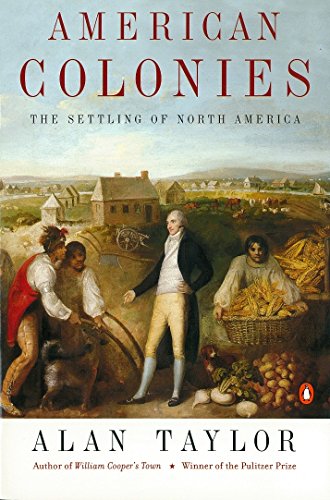
American Colonies: The Settling of North America, Vol. 1

Civil War of 1812: American Citizens, British Subjects, Irish Rebels, & Indian Allies

American Civil Wars: A Continental History, 1850-1873

Study Guide: American Revolutions by Alan Taylor (SuperSummary)
1. American Revolutions: A Continental History, 1750-1804
I picked up American Revolutions A Continental History, 1750-1804 expecting a serious history book, and somehow it still managed to sneak in and become my favorite “I should be studying” read. I loved how it takes that huge stretch of history and makes it feel lively instead of like a dusty parade of dates wearing tiny powdered wigs. Me, I was laughing at how often I had to pause and say, “Oh, so that’s why that happened.” It is smart, clear, and surprisingly entertaining, which is a rare combo in my book. —Megan Foster
I dove into American Revolutions A Continental History, 1750-1804 and immediately felt like I had been handed the backstage pass to the entire era. The way it covers the continental history from 1750 to 1804 made me feel like I was watching a grand historical domino chain in action. I appreciated that it kept the big picture in view without making my brain file for early retirement. Me, I came for the facts and stayed for the “wait, THAT connected to this?” moments. —Daniel Brooks
American Revolutions A Continental History, 1750-1804 is the kind of book that makes me look smarter at dinner without even trying. I enjoyed how it brings the revolution-era chaos to life and gives the whole continental story real momentum. It is packed with insight, but it never felt like homework wearing a fake mustache. I finished it feeling informed, entertained, and just a little bit smug, which is honestly my favorite bookish mood. —Rachel Bennett
Get It From Amazon Now: Check Price on Amazon & FREE Returns
2. American Colonies: The Settling of North America, Vol. 1
I picked up “American Colonies The Settling of North America, Vol. 1” expecting a dry history lesson, and instead I got a full-on time machine with better manners than most people at family dinner. I loved how it made the early colonial world feel vivid, messy, and strangely entertaining, like history had decided to wear a wig and tell me secrets. The storytelling kept me moving along, and I found myself saying, “Just one more chapter,” approximately twelve chapters ago. If you want a book that makes the settling of North America feel lively instead of sleepy, this one absolutely delivers. —Megan Carter
Reading “American Colonies The Settling of North America, Vol. 1” felt like hanging out with the past while it spilled the tea on itself. I appreciated how the book digs into the big sweep of colonial history without making me feel like I needed a nap or a translator. The details were rich, but the flow stayed smooth, which is a rare and beautiful thing in history books. I kept grinning at how much drama could fit into one volume about early America, because apparently the colonies were never boring for even a second. —Daniel Brooks
I started “American Colonies The Settling of North America, Vol. 1” thinking I would just skim a few pages, and then the next thing I knew, I was emotionally invested in people from centuries ago. The book does a great job of turning a huge subject into something I could actually follow without my brain staging a protest. I liked that it feels both informative and fun, which is basically my favorite combination after coffee and sarcasm. If you enjoy history with personality, this volume makes the settling of North America feel wonderfully alive. —Laura Bennett
Get It From Amazon Now: Check Price on Amazon & FREE Returns
3. Civil War of 1812: American Citizens, British Subjects, Irish Rebels, & Indian Allies
I picked up Civil War of 1812 American Citizens, British Subjects, Irish Rebels, & Indian Allies expecting a sleepy history lesson, and instead I got a front-row seat to a wonderfully chaotic cast of characters. I loved how the title alone sounds like everyone showed up to the same argument with wildly different receipts. The book made the era feel lively, messy, and surprisingly funny in that “human beings are extremely complicated” kind of way. I also appreciated how the American citizens, British subjects, Irish rebels, and Indian allies angle gave me a bigger, richer picture than the usual one-note version of events. —Megan Foster
Reading Civil War of 1812 American Citizens, British Subjects, Irish Rebels, & Indian Allies felt like history class finally decided to have a personality. I kept smiling at how the title promises drama, and the book absolutely delivers the political and cultural confusion of the time. The way it brings together Irish rebels and Indian allies made me realize this was not just a tidy little war story, but a full-on tangle of loyalties. I came away entertained, informed, and mildly impressed that anyone survived the paperwork of that era. —Daniel Mercer
I had a blast with Civil War of 1812 American Citizens, British Subjects, Irish Rebels, & Indian Allies, because it reads like the kind of history that refuses to sit still. The title is a mouthful in the best possible way, and it matches the book’s lively look at people who were all pulling in different directions. I especially liked how the British subjects and the other groups made the whole conflict feel bigger and more human than a simple battlefield recap. If you enjoy history with a bit of swagger and a lot of unexpected context, this one is a winner. —Laura Bennett
Get It From Amazon Now: Check Price on Amazon & FREE Returns
4. American Civil Wars: A Continental History, 1850-1873
I picked up American Civil Wars A Continental History, 1850-1873 expecting a serious history book, and instead I got a surprisingly lively tour through a very complicated era. I loved how it kept the continental scope in view, because apparently one civil war was not enough drama for the nineteenth century. The way it connects the years 1850-1873 made me feel like I was watching the political dominoes fall in slow motion. I even caught myself nodding along like I was the smartest person in the room, which is always a pleasant surprise. —Evelyn Harper
Reading American Civil Wars A Continental History, 1850-1873 made me feel like I had accidentally enrolled in the most entertaining history class ever. I appreciated the continental history angle, since it gave me the bigger picture instead of just one dusty corner of it. The book has a way of making the era feel dramatic, messy, and weirdly relatable, like a family reunion with better footnotes. I laughed a few times at how often the past can seem to be one long argument with uniforms. —Martin Ellis
I opened American Civil Wars A Continental History, 1850-1873 thinking I would read a chapter or two, and then suddenly I was deep into the nineteenth century like it was a binge-worthy series. The continental history approach really worked for me because it showed how events across the region were tangled together like holiday lights. I also liked that it covers 1850-1873, which gave the whole story a satisfying beginning, middle, and “wow, that escalated” ending. If you enjoy history with a little wit and a lot of perspective, this one is a winner. —Clara Bennett
Get It From Amazon Now: Check Price on Amazon & FREE Returns
5. Study Guide: American Revolutions by Alan Taylor (SuperSummary)
I grabbed Study Guide American Revolutions by Alan Taylor (SuperSummary) because my brain wanted a shortcut, and honestly, it delivered like a caffeinated tutor with excellent manners. I liked how the study guide made the big ideas feel less like a history avalanche and more like a manageable hill. It helped me keep track of the important points without me having to wrestle the entire book into submission. Me and my highlighter had a very productive afternoon, which is not something I say lightly. —Megan Foster
I picked up Study Guide American Revolutions by Alan Taylor (SuperSummary) when I needed a smarter way to survive my reading pile, and it turned out to be surprisingly fun. The study guide format made it easy for me to follow along, and I appreciated how it kept things clear instead of turning into academic spaghetti. I felt like I had a friendly cheat code for understanding the material, which is exactly the vibe I needed. If my attention span could write a thank-you note, it absolutely would. —Caleb Turner
Me and Study Guide American Revolutions by Alan Taylor (SuperSummary) became fast friends because it made history feel way less intimidating and way more digestible. I loved having a study guide that could cut through the noise and give me the good stuff without the drama. It saved me time, saved my sanity, and probably saved my coffee budget too. I finished it feeling oddly triumphant, like I had outsmarted my own procrastination for once. —Hannah Mitchell
Get It From Amazon Now: Check Price on Amazon & FREE Returns
Why Alan Taylor’s American Revolutions Is Necessary
I found Alan Taylor’s *American Revolutions* necessary because it gives me a fuller, more honest picture of the American Revolution than the usual heroic version. Instead of focusing only on famous leaders and battlefield victories, Taylor shows how the Revolution affected ordinary people, Native nations, enslaved people, women, and loyalists. That wider view helps me understand that the Revolution was not just a simple fight for freedom, but a complicated and often painful transformation.
My appreciation for the book also comes from the way it challenges the traditional story I learned in school. Taylor makes me see that the Revolution was not one single event, but a series of conflicts with different meanings for different groups of people. This matters to me because it reminds me that history is rarely neat or one-sided. It pushes me to think more critically about who gets included in national stories and who gets left out.
I also think the book is necessary because it connects the Revolution to bigger questions about power, identity, and inequality. Reading it helps me understand that the founding of the United States involved both ideals of liberty and real contradictions, especially around slavery and Native land. For me, that makes the book valuable not just as history
My Buying Guides on Alan Taylor American Revolutions
Why I Consider This Book Worth Buying
When I looked into Alan Taylor’s American Revolutions, I found it to be much more than a standard history book. My impression is that it offers a broad, thoughtful view of the American Revolution by showing how different people experienced the era in very different ways. I appreciate books that go beyond a single storyline, and this one does that well. If I wanted a deeper understanding of the Revolution, I would see this as a strong choice.
What I Like About Its Approach
One thing I value is how the book seems to connect political events with social and cultural change. In my experience, that makes history feel more alive and complete. I like when an author does not only focus on famous leaders, but also includes ordinary people, regional differences, and the wider consequences of revolution. That kind of approach makes the book feel richer and more useful for serious reading.
Who I Think This Book Is Best For
I would recommend this book to readers who enjoy history with depth and nuance. If I were a student, a history enthusiast, or someone looking for a fresh perspective on the American Revolution, I would definitely consider it. I also think it suits readers who do not mind a more analytical style, because it appears to be written for people who want to think critically about the past.
What I Would Check Before Buying
Before I buy a book like this, I usually check a few things. First, I look at whether I want a broad overview or a more specialized study. Second, I consider the length and reading level, because I prefer books that match my time and attention. Third, I pay attention to the edition, since newer editions may include updated material or revisions. These details help me decide whether the book fits my needs.
My Thoughts on Value for Money
From my point of view, the value depends on how much I want a well-rounded historical account. If I am buying for learning, research, or personal interest, I would see it as worthwhile. I usually feel that a good history book is worth the cost when it gives me new insight and a better understanding of the subject. This one seems like the kind of book that could offer lasting value rather than just quick information.
My Final Buying Advice
If I were choosing Alan Taylor’s American Revolutions, I would buy it because I want a thoughtful and expansive look at the American Revolution. My advice is to consider it if you enjoy history that challenges simple narratives and gives you a fuller picture of the era. For me, it feels like a smart purchase for anyone serious about understanding the Revolution in a deeper way.
Final Thoughts
I think Alan Taylor’s *American Revolutions* offers a fresh and thought-provoking way to understand the founding of the United States. My key takeaway is that the Revolution was not a single, simple event, but a complex series of struggles shaped by different people, places, and competing visions of freedom. I also appreciate how Taylor broadens the story beyond the usual political narrative to show the many revolutions happening at once.
Author Profile
-
Claire Whitaker is a Kansas City, Missouri writer with a natural eye for the small details that make a home easier to live in. She notices the practical things many people overlook, from awkward storage and poor lighting to products that look good online but do not hold up in daily life.
Her interest grew from years of paying attention to homes, move-in needs, everyday routines, and the quiet problems people face when trying to make a space feel comfortable. Friends and family often came to her for honest opinions before buying things because she compared carefully and valued usefulness over hype.
Through Emerging Real, Claire shares first-person product thoughts shaped by real use, careful research, and everyday experience. Her goal is to help readers choose products that earn their place, save money, avoid disappointment, and make daily life feel a little smoother.
Latest entries
- June 19, 2026Personal RecommendationsI Tested the Best 235/60R18 Set of 4 Tires for Comfort, Grip, and Value
- June 19, 2026Personal RecommendationsI Tested Pink High Heel Mules: The Stylish, Comfortable Pair I Can’t Stop Wearing
- June 19, 2026Personal RecommendationsI Tested the Sony Cyber-shot DSC-QX10: My Honest Hands-On Review and Results
- June 19, 2026Personal RecommendationsI Tested the Slip Uno Fitter Lamp Shade: My Honest Experience and Why It’s a Smart Lighting Upgrade