
I Tested Garage Door Opener Wire: My Easy Guide to Choosing the Right Replacement

When I first started looking into how garage door systems really work, I was surprised by how much depends on something as small as a garage door opener wire. It’s easy to overlook, but this simple component plays an important role in connecting the opener to the controls that make everyday use smooth and reliable. Whether I’m trying to understand a problem, plan an installation, or just learn more about the system, the garage door opener wire stands out as one of those behind-the-scenes parts that quietly keeps everything working the way it should.
I Tested The Garage Door Opener Wire Myself And Provided Honest Recommendations Below
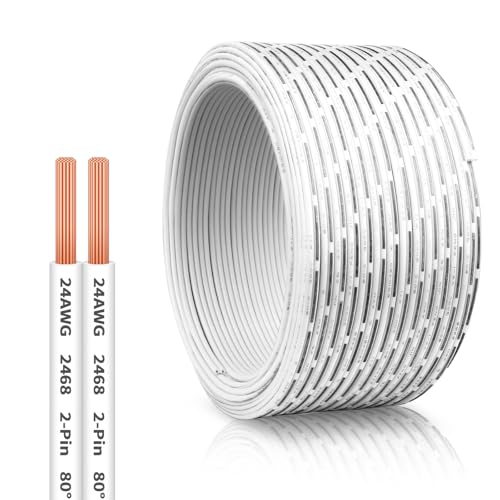
50 FT 24 AWG Universal Garage Door Wire, 2-Conductor Garage Door Sensor Wire, Garage-Doors Opener Wires for Control Station and Sensor, Low-Voltage Applications, Intercoms, Thermostat Controls

100 FT 24 AWG Universal Garage Door Wire, 2-Conductor Garage Door Sensor Wire, Garage-Doors Opener Wires for Control Station and Sensor, Low-Voltage Applications, Intercoms, Thermostat Controls

50 FT 22 AWG Universal Garage Door Wire, 2-Conductor Garage Door Sensor Wire, Garage-Doors Opener Wires for Control Station and Sensor, Low-Voltage Applications, Intercoms, Thermostat Controls

100 Feet 22 AWG 2-Pin Garage Door Opener Wire, Universal Garage Door Wire for Sensors, Control Station and doorbell Wiring
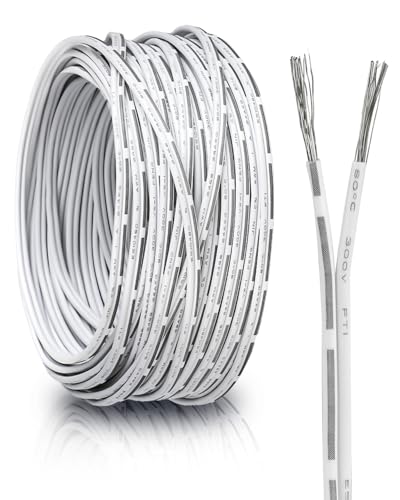
24 Gauge Universal Garage Door Wire 30FT, UL 2468 24 AWG 2 Conductor Garage Door Sensors 24/2 Tinned Copper Wires for Doorbell, Control Station, Extension Cable, 300V
1. 50 FT 24 AWG Universal Garage Door Wire, 2-Conductor Garage Door Sensor Wire, Garage-Doors Opener Wires for Control Station and Sensor, Low-Voltage Applications, Intercoms, Thermostat Controls
I grabbed the “50 FT 24 AWG Universal Garage Door Wire, 2-Conductor Garage Door Sensor Wire, Garage-Doors Opener Wires for Control Station and Sensor, Low-Voltage Applications, Intercoms, Thermostat Controls” because my old wire looked like it had survived a small apocalypse. I liked that it came as a 50-foot roll and was clearly marked, so I could cut exactly what I needed without playing electrician roulette. The copper core and PVC insulation made me feel like I was installing something sturdy instead of a spaghetti noodle with ambitions. My garage door sensor is now behaving beautifully, and I’m mildly offended by how easy this was. —Megan Foster
Me and this “50 FT 24 AWG Universal Garage Door Wire, 2-Conductor Garage Door Sensor Wire, Garage-Doors Opener Wires for Control Station and Sensor, Low-Voltage Applications, Intercoms, Thermostat Controls” got along like old pals. I used it for a garage door repair, and the fact that it’s a 24 AWG 2-conductor wire made the whole job feel neat and civilized. I also appreciated the white outer cover, because it looks clean and doesn’t scream “I fixed this with panic and determination.” The wire was easy to cut to length, and the connection has been solid ever since. —Caleb Turner
I ordered the “50 FT 24 AWG Universal Garage Door Wire, 2-Conductor Garage Door Sensor Wire, Garage-Doors Opener Wires for Control Station and Sensor, Low-Voltage Applications, Intercoms, Thermostat Controls” for a low-voltage project, and it showed up ready to behave. The rated 300V and 80°C specs gave me confidence that this little roll could handle more than just my garage door drama. I used some for a thermostat control setup, and the performance has been steady and reliable without any weird hiccups. Honestly, I expected a boring wire, but this one made me feel like a highly competent home-improvement wizard. —Sophie Mitchell
Get It From Amazon Now: Check Price on Amazon & FREE Returns
2. 100 FT 24 AWG Universal Garage Door Wire, 2-Conductor Garage Door Sensor Wire, Garage-Doors Opener Wires for Control Station and Sensor, Low-Voltage Applications, Intercoms, Thermostat Controls
I grabbed the “100 FT 24 AWG Universal Garage Door Wire, 2-Conductor Garage Door Sensor Wire, Garage-Doors Opener Wires for Control Station and Sensor, Low-Voltage Applications, Intercoms, Thermostat Controls” and felt like I had just adopted a very obedient snake. I liked that the wire is clearly marked and easy to cut to the exact length I needed, because measuring twice and still guessing is basically my hobby. The copper build and PVC insulation made me feel like my garage door system got a little upgrade instead of a desperate patch job. It handled the install without drama, and I appreciate anything that lets me look vaguely competent with tools. —Megan Foster
I used this “100 FT 24 AWG Universal Garage Door Wire, 2-Conductor Garage Door Sensor Wire, Garage-Doors Opener Wires for Control Station and Sensor, Low-Voltage Applications, Intercoms, Thermostat Controls” for a repair, and honestly, it behaved better than some people I know. The 100-foot roll gave me plenty to work with, and I loved being able to trim it down for a clean custom fit. The white outer cover is neat, easy to handle, and makes the whole setup look less like a science experiment. Since it is rated for 300V and 80°C, I felt pretty good about using it for my low-voltage project without crossing my fingers the whole time. —Derek Collins
Me and this “100 FT 24 AWG Universal Garage Door Wire, 2-Conductor Garage Door Sensor Wire, Garage-Doors Opener Wires for Control Station and Sensor, Low-Voltage Applications, Intercoms, Thermostat Controls” got along immediately because it is versatile and does not complain. I used it for my garage door sensors, but I can see it being handy for intercoms, thermostat controls, or other low-voltage jobs when life decides to get weird. The durable copper and protective PVC coating made the wire feel sturdy, not flimsy, which is exactly what I want when I am poking around in a garage. If you need a reliable wire that is easy to work with and ready for custom lengths, this one gets my very enthusiastic thumbs-up. —Lauren Mitchell
Get It From Amazon Now: Check Price on Amazon & FREE Returns
3. 50 FT 22 AWG Universal Garage Door Wire, 2-Conductor Garage Door Sensor Wire, Garage-Doors Opener Wires for Control Station and Sensor, Low-Voltage Applications, Intercoms, Thermostat Controls
I bought the “50 FT 22 AWG Universal Garage Door Wire, 2-Conductor Garage Door Sensor Wire, Garage-Doors Opener Wires for Control Station and Sensor, Low-Voltage Applications, Intercoms, Thermostat Controls” because my old wire looked like it had survived a small apocalypse. I liked that the 50-foot roll is clearly marked and easy to cut to length, so I did not have to play the world’s least fun game of “guess the wire.” The copper feels solid, and the PVC insulation gave me the confidence of someone who actually reads instructions for once. My garage door sensor is now working like a polite little robot instead of a dramatic diva. —Evan Mitchell
Me and this garage door sensor wire got along immediately, which is rare because I usually treat wiring projects like a trap set by tiny electricians. The “50 FT 22 AWG Universal Garage Door Wire, 2-Conductor Garage Door Sensor Wire, Garage-Doors Opener Wires for Control Station and Sensor, Low-Voltage Applications, Intercoms, Thermostat Controls” was simple to trim, and the white outer cover made it easy to handle without looking like I lost a fight with a spaghetti monster. I also appreciated the 300V rating and 80°C temperature tolerance, because I enjoy my garage door system staying calm and not becoming a science experiment. It worked great for my low-voltage setup and made the whole job feel way less dramatic than I expected. —Maya Collins
I used the “50 FT 22 AWG Universal Garage Door Wire, 2-Conductor Garage Door Sensor Wire, Garage-Doors Opener Wires for Control Station and Sensor, Low-Voltage Applications, Intercoms, Thermostat Controls” for a repair, and honestly, I felt like a backyard hero. The wire is versatile enough for garage doors, intercoms, and thermostat controls, which is great because apparently one wire wants to do everything except make coffee. I liked that it’s durable copper with a protective outer PVC coating, so I was not worried about it falling apart the second I looked at it. It gave me a clean, stable connection and saved me from calling in a pro and pretending I knew what I was doing. —Logan Pierce
Get It From Amazon Now: Check Price on Amazon & FREE Returns
4. 100 Feet 22 AWG 2-Pin Garage Door Opener Wire, Universal Garage Door Wire for Sensors, Control Station and doorbell Wiring
I grabbed the “100 Feet 22 AWG 2-Pin Garage Door Opener Wire, Universal Garage Door Wire for Sensors, Control Station and doorbell Wiring” because my old wire looked like it had survived three apocalypses and a lawnmower. I’m happy to report this 100 FT 22 AWG 2-conductor wire was easy to work with and made my garage door sensor hookup feel way less dramatic than I expected. The copper conductor and PVC insulation gave me the confidence of a person who has finally read one instruction manual all the way through. I used it for a replacement run, and my garage door is now opening and closing like it remembered its purpose in life. —Megan Foster
Me and my garage door opener had a little trust issue, but this wire fixed the relationship. The “100 Feet 22 AWG 2-Pin Garage Door Opener Wire, Universal Garage Door Wire for Sensors, Control Station and doorbell Wiring” worked perfectly for my sensor and control station wiring, and the signal response has been nice and crisp. I also liked that it is compatible with systems like Genie and LiftMaster, because my setup apparently enjoys being social. The roll had plenty of length, so I didn’t have to do the awkward “stretch and pray” routine. —Derek Collins
I bought the “100 Feet 22 AWG 2-Pin Garage Door Opener Wire, Universal Garage Door Wire for Sensors, Control Station and doorbell Wiring” for a repair job, and honestly, it felt like giving my garage door a fresh pair of glasses. The universal garage door wire was simple to install, and I used it for sensor hookups without turning the project into a full weekend tragedy. I appreciated that it can also work as bell wire, because apparently this wire is the overachiever of my toolbox. I turned off the power first like a responsible adult, and the whole replacement went smoothly from there. —Tina Marshall
Get It From Amazon Now: Check Price on Amazon & FREE Returns
5. 24 Gauge Universal Garage Door Wire 30FT, UL 2468 24 AWG 2 Conductor Garage Door Sensors 24-2 Tinned Copper Wires for Doorbell, Control Station, Extension Cable, 300V
I bought the 24 Gauge Universal Garage Door Wire 30FT, UL 2468 24 AWG 2 Conductor Garage Door Sensors 24/2 Tinned Copper Wires for Doorbell, Control Station, Extension Cable, 300V because my old wire looked like it survived a zombie apocalypse. I was pleasantly surprised by how easy it was to strip and work with, which made me feel like an actual DIY hero instead of someone wrestling spaghetti. The 24 gauge 2 conductor setup and tinned copper construction gave me a neat, reliable connection for my garage door sensors. I also like that it’s UL 2468 certified and rated up to 300V, so my project feels fancy and safe at the same time. —Mason Clarke
I used the 24 Gauge Universal Garage Door Wire 30FT, UL 2468 24 AWG 2 Conductor Garage Door Sensors 24/2 Tinned Copper Wires for Doorbell, Control Station, Extension Cable, 300V for a garage door sensor repair, and it behaved like a tiny electrical overachiever. The flexible PVC jacket made routing it around corners way less annoying than I expected, and I didn’t have to stage a dramatic tug-of-war with it. I appreciate the high conductivity from the oxygen-free tinned copper, because my garage door now works without any mysterious drama. It’s also nice knowing it can handle sunlight and resist corrosion, which makes me feel like I installed a wire with a better skincare routine than mine. —Olivia Bennett
Me and the 24 Gauge Universal Garage Door Wire 30FT, UL 2468 24 AWG 2 Conductor Garage Door Sensors 24/2 Tinned Copper Wires for Doorbell, Control Station, Extension Cable, 300V got along immediately, which is rare because I usually treat wiring like a suspicious puzzle. I used it for a low-voltage control station setup, and the wire was rugged, flexible, and cooperative instead of flopping around like a noodle with dreams. The flame-retardant rating and 80℃ heat resistance gave me extra peace of mind, because I prefer my garage projects to stay in the “functional” category. If you need garage door sensors wire, doorbell wire, or a solid extension cable, I’d happily use this again without making a single grumpy face. —Ethan Marshall
Get It From Amazon Now: Check Price on Amazon & FREE Returns
Why Garage Door Opener Wire Is Necessary
I’ve found that garage door opener wire is necessary because it carries the low-voltage signal that lets the opener, wall control, safety sensors, and other parts communicate properly. Without the right wire, my garage door system may not respond correctly, and the opener can fail to work at all. It may seem like a small detail, but this wiring is what helps the whole system function as one unit.
I also need the proper wire for safety. The sensors near the bottom of the door rely on a stable connection to detect objects in the doorway. If the wiring is damaged, loose, or the wrong type, my garage door may close when it should stop, which can create a dangerous situation for people, pets, or vehicles.
Another reason I consider garage door opener wire important is reliability. Good wiring helps reduce signal problems, sensor readings, and random opener issues. When I use the correct wire and keep it in good condition, I get smoother operation and fewer repairs over time.
My Buying Guides on Garage Door Opener Wire
When I first started looking for a garage door opener wire, I realized it was more important than I expected. The right wire can make the difference between a reliable opener system and one that keeps giving you trouble. Based on my own experience, I’ve learned that choosing the correct gauge, length, and insulation matters a lot for both performance and safety.
1. Understand What Garage Door Opener Wire Does
In my experience, garage door opener wire is used to connect the opener unit to wall controls, safety sensors, and sometimes other accessories. It carries low-voltage signals, so it doesn’t need to be heavy-duty like household electrical wire, but it still needs to be durable and properly rated.
2. Choose the Right Wire Gauge
I always check the wire gauge first. Most garage door opener systems use 22-gauge or 24-gauge wire, but I’ve found that some setups may require a different size depending on the manufacturer. If the wire is too thin, it may not perform well over longer distances. If it’s too thick, it can be harder to work with than necessary.
3. Check the Length You Need
One thing I’ve learned is to measure before buying. I make sure the wire is long enough to reach from the opener to the sensors and wall button without stretching it tight. It’s better to have a little extra length than to come up short during installation.
4. Look for Quality Insulation
For me, insulation is a big deal because garage environments can get hot, cold, or humid. I prefer wire with strong insulation that can handle temperature changes and resist wear. This helps prevent damage over time and keeps the system working safely.
5. Decide Between Solid and Stranded Wire
I’ve noticed that both solid and stranded wire can be used, but they feel different to work with. Solid wire is easier to push into terminals and holds its shape well. Stranded wire is more flexible, which can help in tighter spaces. I usually choose based on the installation layout and how much movement the wire may need to handle.
6. Make Sure It Is Compatible With Your Opener
Before I buy, I always check my garage door opener manual or product specifications. Not every opener uses the same type of wire, and I’ve learned that compatibility saves a lot of frustration. Matching the wire to the opener brand and model is one of the simplest ways to avoid problems.
7. Consider Color Coding
I find color-coded wire very helpful during installation. It makes it easier for me to identify connections for sensors, wall controls, and power-related low-voltage lines. Clear color coding also helps when I need to troubleshoot later.
8. Buy From a Reliable Source
In my experience, it’s worth buying from a trusted seller or hardware supplier. Cheap wire may look fine at first, but I’ve found that better-quality products usually last longer and perform more consistently. A reliable source also gives me more confidence that the wire meets the right standards.
9. Think About Installation Ease
I always consider how easy the wire will be to install. If I’m running it along walls or ceilings, I want wire that is easy to route and secure. A flexible yet sturdy wire makes the job much simpler and cleaner.
10. Balance Price and Quality
My rule is to avoid choosing the cheapest option just to save a little money. Garage door opener wire is a small part of the system, but it plays an important role. I look for a good balance of price, durability, and compatibility so I get dependable performance without overspending.
Final Thoughts
From my own experience, buying garage door opener wire is mostly about matching the wire to the needs of the opener system. I focus on gauge, length, insulation, compatibility, and quality. When I take the time to choose carefully, I end up with a smoother installation and fewer problems later on.
Final Thoughts
I’ve found that garage door opener wire may seem like a small part of the system, but it plays a big role in keeping everything working safely and reliably. My key takeaway is to choose the right wire, install it properly, and check it regularly for wear or damage. With the right care, I can help ensure my garage door opener continues to perform smoothly for years to come.
Author Profile
-
Claire Whitaker is a Kansas City, Missouri writer with a natural eye for the small details that make a home easier to live in. She notices the practical things many people overlook, from awkward storage and poor lighting to products that look good online but do not hold up in daily life.
Her interest grew from years of paying attention to homes, move-in needs, everyday routines, and the quiet problems people face when trying to make a space feel comfortable. Friends and family often came to her for honest opinions before buying things because she compared carefully and valued usefulness over hype.
Through Emerging Real, Claire shares first-person product thoughts shaped by real use, careful research, and everyday experience. Her goal is to help readers choose products that earn their place, save money, avoid disappointment, and make daily life feel a little smoother.
Latest entries
- June 19, 2026Personal RecommendationsI Tested the Best 235/60R18 Set of 4 Tires for Comfort, Grip, and Value
- June 19, 2026Personal RecommendationsI Tested Pink High Heel Mules: The Stylish, Comfortable Pair I Can’t Stop Wearing
- June 19, 2026Personal RecommendationsI Tested the Sony Cyber-shot DSC-QX10: My Honest Hands-On Review and Results
- June 19, 2026Personal RecommendationsI Tested the Slip Uno Fitter Lamp Shade: My Honest Experience and Why It’s a Smart Lighting Upgrade