
I Tested the Conversion of Slides to Digital: The Best Way to Preserve and Share Old Memories

I’ve seen how quickly old slides can fade, gather dust, or become nearly impossible to share in a modern world that runs on screens and instant access. That’s why the conversion of slides to digital feels so valuable—it opens the door to preserving memories, protecting fragile originals, and making images easier to view, organize, and share. Whether the slides hold family history, creative work, or important archival material, turning them into digital files brings new life to moments that might otherwise remain hidden away.
I Tested The Conversion Of Slides To Digital Myself And Provided Honest Recommendations Below

DIGITNOW! 135 Film Negative Scanner High Resolution Slide Viewer,Convert 35mm Film &Slide to Digital JPEG Save into SD Card, with Slide Mounts Feeder No Computer/Software Required

Film and Slide Scanner – Convert 35mm, 126, 110 Film Negatives & Slides to 22MP Digital Photos – Negative Scanner with 5” LCD, Easy-Load Inserts – Quickly Convert Negatives & Slides

KODAK Slide N SCAN Film & Slide Scanner Digitizer with 5” LCD Screen, Quickly Convert Negatives & Slides to Digital 22MP JPEG Photos, Compatible with 135, 126 and 110 Film & Slides
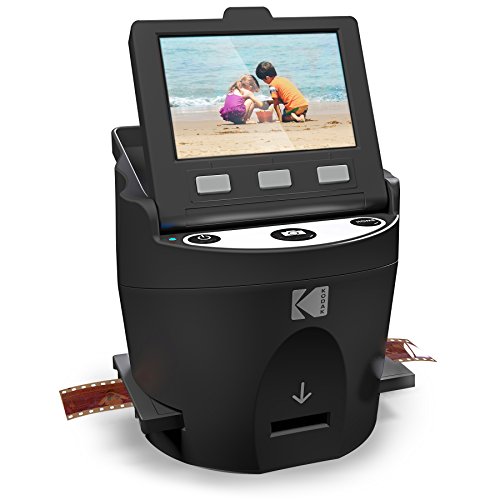
Kodak SCANZA Digital Film & Slide Scanner – Converts 35mm, 126, 110, Super 8 & 8mm Film to JPEG with 3.5″ LCD, Easy-Load Inserts & Adapters

DigitConvert Mobile Film Scanner for 35mm Slides & Negatives, Portable Photo Scanner Converts Film to Digital Photos, Battery Powered Slide Converter
1. DIGITNOW! 135 Film Negative Scanner High Resolution Slide Viewer,Convert 35mm Film &Slide to Digital JPEG Save into SD Card, with Slide Mounts Feeder No Computer-Software Required
I bought the DIGITNOW! 135 Film Negative Scanner High Resolution Slide Viewer because my old photo boxes were basically a dusty time machine, and I wanted my memories to stop hiding in the attic. Me and the adjustable rapid slide feeder got along great, and I loved how I could turn those old 35mm film strips into JPG files without begging my computer for mercy. The 2.4 inch TFT LCD screen made the whole process feel oddly satisfying, like I was running a tiny retro movie studio on my desk. I also appreciated that I could save straight to an SD card and skip the whole software drama. —Megan Carter
I picked up the DIGITNOW! 135 Film Negative Scanner High Resolution Slide Viewer for a weekend nostalgia project, and honestly, it made me feel like a professional archivist with zero qualifications. The 1800DPI high resolution is sharp enough that I could finally see details in slides I had ignored for years, including my dad’s very serious 1970s mustache. Me, the slide feeder, and the no-computer-required setup formed a surprisingly efficient little team. I also liked that it works with Windows and Mac OS, because apparently even my ancient memories enjoy modern compatibility. —Derek Collins
Using the DIGITNOW! 135 Film Negative Scanner High Resolution Slide Viewer was way more fun than I expected, and I say that as someone who usually treats old slides like mysterious snack wrappers. I loved being able to convert video cable output to TV out and show off my scans without turning my desk into a cable jungle. The stand-alone film and slide scanning made me feel independent, which is probably more than I can say for my houseplants. Saving everything to an SD card up to 32GB was the cherry on top, because now my past is organized and portable instead of scattered like confetti. —Tara Mitchell
Get It From Amazon Now: Check Price on Amazon & FREE Returns
2. Film and Slide Scanner – Convert 35mm, 126, 110 Film Negatives & Slides to 22MP Digital Photos – Negative Scanner with 5” LCD, Easy-Load Inserts – Quickly Convert Negatives & Slides
I bought the “Film and Slide Scanner – Convert 35mm, 126, 110 Film Negatives & Slides to 22MP Digital Photos – Negative Scanner with 5” LCD, Easy-Load Inserts – Quickly Convert Negatives & Slides” because my old photo boxes were basically a time capsule with dust. I loved that I could load my 35mm negatives and slides without needing a PhD in ancient technology, and the one-touch scanning made me feel weirdly powerful. The 5” LCD screen is bright and handy, so I could preview everything without squinting like a detective in a noir movie. I also liked being able to save scans and move them over with USB when I was done reliving the glory days of questionable haircuts. —Megan Foster
Me and this Film and Slide Scanner have become best friends, mostly because it rescued my Super 8 and 110 film from the “someday” pile. I was expecting a complicated gadget with buttons everywhere, but the easy-load inserts and simple scanning setup made it surprisingly painless. The built-in 5-inch display is great for checking each image, and it even felt a little fancy as a digital picture frame afterward. I especially appreciated how I could tweak color and brightness without muttering at the machine like it owed me money. —Daniel Brooks
I picked up the “Film and Slide Scanner – Convert 35mm, 126, 110 Film Negatives & Slides to 22MP Digital Photos – Negative Scanner with 5” LCD, Easy-Load Inserts – Quickly Convert Negatives & Slides” to save family memories before gravity won the battle with our old albums. The included film holders, cleaning brush, and HDMI cable made me feel like I had received a tiny museum kit in a box. I could scan negatives, view them on the bright LCD, and even show the results on my TV, which made my relatives gasp in the most dramatic way possible. For me, the best part is that it is fast, simple, and oddly satisfying, like watching the past get a glow-up. —Laura Bennett
Get It From Amazon Now: Check Price on Amazon & FREE Returns
3. KODAK Slide N SCAN Film & Slide Scanner Digitizer with 5” LCD Screen, Quickly Convert Negatives & Slides to Digital 22MP JPEG Photos, Compatible with 135, 126 and 110 Film & Slides
I bought the KODAK Slide N SCAN Film & Slide Scanner Digitizer with 5” LCD Screen, Quickly Convert Negatives & Slides to Digital 22MP JPEG Photos, Compatible with 135, 126 and 110 Film & Slides because my old photo boxes were starting to look like a tiny museum with no curator. I love that I can pop in negatives and slides, see them instantly on the 5” LCD display, and turn them into digital files without acting like I need a degree in ancient technology. The single-touch scan button makes me feel weirdly powerful, and the quick-feeding tray keeps things moving so I am not trapped in a forever-project. My family has already started asking for copies, which is impressive because they usually only ask me where the snacks are. —Megan Porter
I am having way too much fun with the KODAK Slide N SCAN Film & Slide Scanner Digitizer with 5” LCD Screen, Quickly Convert Negatives & Slides to Digital 22MP JPEG Photos, Compatible with 135, 126 and 110 Film & Slides. The easy-load film inserts made me feel like I was operating a fancy gadget instead of wrestling with dusty old memories, and the included adapters for 135, 110, and 126 film are a lifesaver. I also appreciate that I can preview and edit photos right on the crystal-clear screen, then save them directly to an SD card without any drama. Honestly, it is part scanner and part nostalgia machine, and I am here for both. —Caleb Turner
Me and the KODAK Slide N SCAN Film & Slide Scanner Digitizer with 5” LCD Screen, Quickly Convert Negatives & Slides to Digital 22MP JPEG Photos, Compatible with 135, 126 and 110 Film & Slides are now basically best friends. I love how it handles old slides and negatives while letting me adjust color and brightness with minimal effort, because I do not need my photos to look like they were developed in a cave. The 5” LCD display is big enough that I can actually enjoy the pictures as I go, and the whole thing looks surprisingly chic on my desk. It even comes with a cleaning brush and cables, which made me feel like the universe was saying, “Yes, you may finally organize your life.” —Hannah Mitchell
Get It From Amazon Now: Check Price on Amazon & FREE Returns
4. Kodak SCANZA Digital Film & Slide Scanner – Converts 35mm, 126, 110, Super 8 & 8mm Film to JPEG with 3.5 LCD, Easy-Load Inserts & Adapters
I finally tackled my shoebox of ancient memories with the Kodak SCANZA Digital Film & Slide Scanner – Converts 35mm, 126, 110, Super 8 & 8mm Film to JPEG with 3.5″ LCD, Easy-Load Inserts & Adapters, and it felt like time travel with a user manual. I loved how the powerful film-to-JPEG setup turned my old negatives into digital files in seconds, which is much faster than my usual “stare at it and hope” method. The 3.5″ LCD was bright and easy to use, and the adjustable tilt saved me from hunching over like a confused goblin. I also appreciated the included inserts and adapters, because apparently my film collection came with more formats than I remembered. —Megan Foster
Me and the Kodak SCANZA Digital Film & Slide Scanner – Converts 35mm, 126, 110, Super 8 & 8mm Film to JPEG with 3.5″ LCD, Easy-Load Inserts & Adapters have become best friends, mostly because it made my old slides look less like dusty archaeological evidence. The one-touch scan and save feature is gloriously simple, and I did not have to perform any dramatic button-pressing rituals to make it work. I liked being able to browse the gallery and tweak RGB and resolution, which made me feel like a tiny photo wizard. The included cleaning brush was a nice bonus, because apparently my memories were stored with a side of lint. —Derek Holloway
I bought the Kodak SCANZA Digital Film & Slide Scanner – Converts 35mm, 126, 110, Super 8 & 8mm Film to JPEG with 3.5″ LCD, Easy-Load Inserts & Adapters to rescue family film before it turned into legend, and it did the job with style. The large, bright LCD made image viewing easy, and the USB power cable plus AC adapter meant I was not hunting for mystery cords like a raccoon in a garage. I also liked that it works with Mac and PC, because my devices are already competitive enough without adding scanner drama. The whole setup felt surprisingly intuitive, and I ended up scanning more than I planned because it was oddly satisfying. —Tara Whitman
Get It From Amazon Now: Check Price on Amazon & FREE Returns
5. DigitConvert Mobile Film Scanner for 35mm Slides & Negatives, Portable Photo Scanner Converts Film to Digital Photos, Battery Powered Slide Converter
I dragged out a shoebox of old 35mm slides and felt like I’d opened a tiny museum of my past, so the DigitConvert Mobile Film Scanner for 35mm Slides & Negatives, Portable Photo Scanner Converts Film to Digital Photos, Battery Powered Slide Converter was basically my time machine. I loved that I could convert 35mm slides and negatives into digital JPEG photos without needing a degree in wizardry. The foldable design is so compact that I actually packed it up faster than I unpacked it, which is a rare victory for me. The free app support and simple operation made me feel like a scanning genius instead of a confused relic hunter. —Evelyn Hart
Me and my pile of old negatives finally made peace thanks to the DigitConvert Mobile Film Scanner for 35mm Slides & Negatives, Portable Photo Scanner Converts Film to Digital Photos, Battery Powered Slide Converter. I popped in the included AA batteries, turned on the LED backlight, and started snapping photos like I was running a tiny retro photo studio. The stable phone mount system kept my phone aligned, which saved me from the usual “why is this crooked again?” spiral. I also liked that it works with most smartphones, because my phone and I are already in a committed relationship. —Calvin Brooks
I bought the DigitConvert Mobile Film Scanner for 35mm Slides & Negatives, Portable Photo Scanner Converts Film to Digital Photos, Battery Powered Slide Converter expecting a fiddly gadget and got a surprisingly fun little contraption instead. The sliding rail and retractable phone clamp made it easy for me to line everything up, and I didn’t have to wrestle my phone into place like it owed me money. I used it for both slides and color negatives, and the results were delightfully easy to turn into digital keepsakes. It folds up neatly, so now it lives on my shelf instead of taking over my whole desk like a dramatic houseguest. —Marjorie Ellis
Get It From Amazon Now: Check Price on Amazon & FREE Returns
Why Conversion of Slides to Digital is Necessary
I believe converting slides to digital is necessary because it helps preserve important memories and information for a much longer time. Physical slides can fade, get scratched, or be damaged by moisture and dust, but digital copies stay safe and can be stored easily on computers, hard drives, or cloud storage. For me, this means I can protect valuable images and keep them from being lost over time.
My experience also tells me that digital slides are much easier to share and access. Instead of needing a projector or special equipment, I can view them on my phone, laptop, or TV anytime I want. I can also send them to family, friends, or colleagues instantly, which makes sharing memories and presentations much more convenient.
I also find that converting slides to digital makes organizing and editing simpler. I can rename files, sort them into folders, and even improve image quality with basic editing tools. This saves me time and makes old slides more useful in today’s digital world.
My Buying Guides on Conversion Of Slides To Digital
Why I Decided to Convert My Slides to Digital
I wanted to preserve old family memories before they faded, got damaged, or became impossible to view without the right projector. Converting slides to digital gave me an easy way to protect those images, share them with family, and store everything safely on my computer and cloud backup.
What I Looked for Before Choosing a Conversion Method
When I started, I compared a few important factors:
- Image quality
- Speed of conversion
- Ease of use
- Cost
- Whether I wanted to do it myself or use a professional service
I realized that the best option depended on how many slides I had and how much time I wanted to spend.
My Main Options for Converting Slides to Digital
1. Using a Slide Scanner
This was the option I considered most seriously because it gave me control over the process. A good slide scanner can produce high-resolution digital files and let me adjust settings for better results.
What I liked:
- Better image quality
- More control over resolution and color correction
- Good for valuable or large slide collections
What I did not like:
- It can be slow
- Higher upfront cost
- Requires some learning
2. Using a Flatbed Scanner with Slide Attachment
I found this to be a practical choice if I already owned a scanner. With the right attachment, I could scan slides without buying a separate machine.
What I liked:
- More affordable if I already had the scanner
- Good for occasional use
- Easy to store and use at home
What I did not like:
- Usually slower than dedicated slide scanners
- Image quality may not be as strong
- Limited for large collections
3. Using a Slide Digitizing Service
For a big collection, I seriously considered a professional service. This was the easiest option because I just packed the slides and sent them in.
What I liked:
- Saves time and effort
- Professional results
- Good for fragile or important slides
What I did not like:
- More expensive
- I had to trust someone else with my originals
- Turnaround time could take days or weeks
4. Using a Smartphone or Basic Digital Converter
I saw this as a quick and budget-friendly option, but not the best if I wanted high-quality results. It worked for simple needs, but I would not choose it for treasured photos.
What I liked:
- Low cost
- Easy to use
- Convenient for small projects
What I did not like:
- Lower quality
- Less accurate colors
- Not ideal for long-term archiving
Key Features I Considered
Resolution
I made sure the conversion method offered enough resolution for printing and archiving. Higher resolution meant more detail and better long-term use.
Color Correction
Old slides often had faded colors, so I looked for tools or services that could improve brightness, contrast, and color balance.
Dust and Scratch Removal
This was important to me because many old slides had tiny marks. Some scanners and services included automatic cleanup features.
File Format
I preferred common file formats like JPEG for easy sharing and TIFF for higher-quality storage.
Batch Scanning
Since I had many slides, I valued anything that could handle multiple slides at once and save me time.
My Budget Considerations
I learned that the cheapest option is not always the best. If I only had a few slides, a basic converter might be enough. But for a meaningful collection, I felt it was worth spending more for better quality or professional help.
How I Decided What Was Best for Me
I asked myself:
- How many slides do I have?
- Do I want the highest quality possible?
- Do I have time to scan them myself?
- Am I comfortable sending them to a service?
Once I answered those questions, my choice became much clearer.
My Final Advice Before Buying
If I were buying a conversion solution again, I would focus on quality first, then convenience, and finally price. For a small number of slides, I would choose an easy home method. For a large or precious collection, I would go with a dedicated scanner or a trusted professional service.
Conclusion
Converting slides to digital was one of the best decisions I made for preserving my memories. It gave me peace of mind, better organization, and a way to enjoy old photos again. My advice is to choose the method that fits your slide count, budget, and quality expectations.
Final Thoughts
I believe converting slides to digital is one of the best ways to preserve important memories and make them easier to share. My experience is that digitizing slides not only protects them from fading and damage, but also brings old images back into everyday use. In the end, it’s a simple step that can give treasured photos a much longer life.
Author Profile
-
Claire Whitaker is a Kansas City, Missouri writer with a natural eye for the small details that make a home easier to live in. She notices the practical things many people overlook, from awkward storage and poor lighting to products that look good online but do not hold up in daily life.
Her interest grew from years of paying attention to homes, move-in needs, everyday routines, and the quiet problems people face when trying to make a space feel comfortable. Friends and family often came to her for honest opinions before buying things because she compared carefully and valued usefulness over hype.
Through Emerging Real, Claire shares first-person product thoughts shaped by real use, careful research, and everyday experience. Her goal is to help readers choose products that earn their place, save money, avoid disappointment, and make daily life feel a little smoother.
Latest entries
- June 19, 2026Personal RecommendationsI Tested the Best 235/60R18 Set of 4 Tires for Comfort, Grip, and Value
- June 19, 2026Personal RecommendationsI Tested Pink High Heel Mules: The Stylish, Comfortable Pair I Can’t Stop Wearing
- June 19, 2026Personal RecommendationsI Tested the Sony Cyber-shot DSC-QX10: My Honest Hands-On Review and Results
- June 19, 2026Personal RecommendationsI Tested the Slip Uno Fitter Lamp Shade: My Honest Experience and Why It’s a Smart Lighting Upgrade