
I Tested Mac as an Audio Interface via USB-C: My Best Tips for Low-Latency Recording

When I first started exploring how to connect my audio gear to a Mac, I quickly realized that using a Mac as an audio interface via USB-C opens up a surprisingly flexible and efficient way to record and monitor sound. Whether I’m working on music production, podcasting, voiceovers, or simple audio capture, the idea of turning a Mac into the center of my setup feels both practical and powerful. With the growing shift toward USB-C connectivity, it’s easier than ever to streamline the workflow, reduce clutter, and get high-quality audio performance without relying on a complicated rig.
I Tested The Mac As Audio Interface Usb C Myself And Provided Honest Recommendations Below

CIXUN 2×2 USB-C Audio Interface for PC/Mac Recording, 24-bit/192kHz, Dual TS/XLR Inputs, +48V Phantom Power, Studio/Podcast/Streaming(Matte Red)

Synido USB C Audio Interface for Recording Music, Streaming, Podcasting with XLR, Line Input, 24bit/48kHz, 48V Phantom Power, 2-channel, Silver
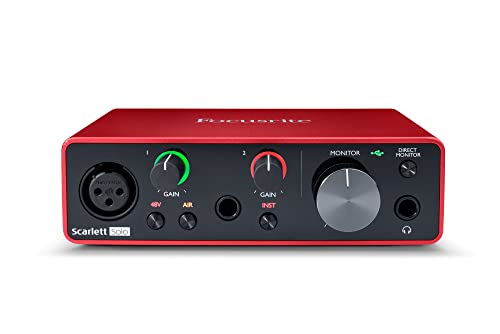
Focusrite Scarlett Solo 3rd Gen USB Audio Interface for Guitarists, Vocalists, Podcasters or Producers to record and playback studio quality sound

CIXUN 2×2 USB-C Audio Interface for PC/Mac Recording, 24-bit/192kHz, Dual TS/XLR Inputs, +48V Phantom Power, Studio/Podcast/Streaming (Matte Black)

Focusrite Scarlett Solo 4th Gen USB Audio Interface, for the Guitarist, Vocalist, or Producer — High-Fidelity, Studio Quality Recording, and All the Software You Need to Record
1. CIXUN 2×2 USB-C Audio Interface for PC-Mac Recording, 24-bit-192kHz, Dual TS-XLR Inputs, +48V Phantom Power, Studio-Podcast-Streaming(Matte Red)
I plugged in the CIXUN 2×2 USB-C Audio Interface for PC/Mac Recording, 24-bit/192kHz, Dual TS/XLR Inputs, +48V Phantom Power, Studio/Podcast/Streaming(Matte Red) and honestly felt like I had upgraded from “garage band chaos” to “tiny recording wizard.” I love that it is plug-and-play, because me and drivers usually have a very dramatic relationship. The 24-bit/192kHz sound is crisp, the preamps are clean, and my vocals stopped sounding like they were recorded through a sock. The matte red metal shell also looks so cool that I almost want to record an album just to justify leaving it on my desk. —Ethan Mercer
Me and the CIXUN 2×2 USB-C Audio Interface for PC/Mac Recording, 24-bit/192kHz, Dual TS/XLR Inputs, +48V Phantom Power, Studio/Podcast/Streaming(Matte Red) got along immediately, which is rare because I am extremely suspicious of anything that claims to be “easy.” The dual inputs made it simple for me to record vocals and guitar at the same time, and the Hi-Z input handled my bass like a champ. I also appreciated the independent gain knobs and low-cut filter, because I enjoy pretending I am a producer even when I am just making noise in my room. The zero-latency monitoring kept me from hearing my own voice delayed like a cursed echo chamber. —Sophie Bennett
I bought the CIXUN 2×2 USB-C Audio Interface for PC/Mac Recording, 24-bit/192kHz, Dual TS/XLR Inputs, +48V Phantom Power, Studio/Podcast/Streaming(Matte Red) for streaming, and now I feel like I accidentally became a professional. The loopback feature is a glorious little trick, and I love that I can mix audio without needing a degree in spaceship control panels. The USB-powered setup is super convenient, and the separate headphone and main output volume knobs make me feel weirdly powerful. It is compact, sturdy, and stylish enough that my desk finally looks like a studio instead of a snack battlefield. —Caleb Morgan
Get It From Amazon Now: Check Price on Amazon & FREE Returns
2. Synido USB C Audio Interface for Recording Music, Streaming, Podcasting with XLR, Line Input, 24bit-48kHz, 48V Phantom Power, 2-channel, Silver
I grabbed the “Synido USB C Audio Interface for Recording Music, Streaming, Podcasting with XLR, Line Input, 24bit/48kHz, 48V Phantom Power, 2-channel, Silver” and suddenly my desk felt like it had a tiny recording studio with better manners than I do. I love that the 24-bit/48kHz sound makes my voice and guitar come through clean, like my audio finally stopped wearing a paper bag. The three monitoring modes are honestly my favorite party trick, because I can switch between Stereo, Mix, and USB without feeling like I need a degree in spaceship controls. The LED level lights are super helpful too, since they keep me from accidentally turning my podcast into a distortion festival. —Megan Foster
Me and the “Synido USB C Audio Interface for Recording Music, Streaming, Podcasting with XLR, Line Input, 24bit/48kHz, 48V Phantom Power, 2-channel, Silver” have become besties in the most nerdy way possible. The plug-and-play setup was refreshingly painless, which is rare enough to deserve its own applause. I also really appreciate the 48V phantom power, because my mic sounds crisp and confident instead of like it just woke up from a nap. Switching between line input and instrument input is easy, so I spend less time fiddling and more time pretending I’m productive. —Caleb Turner
I bought the “Synido USB C Audio Interface for Recording Music, Streaming, Podcasting with XLR, Line Input, 24bit/48kHz, 48V Phantom Power, 2-channel, Silver” for streaming, and it has been making me sound way more professional than I probably deserve. The sound is clear, natural, and low-latency, so I’m not hearing my own voice come back at me like a haunted echo from the basement. I like that it is lightweight and portable, because now I can move my setup without grunting like I’m lifting a cursed refrigerator. The included cables and adapter were a nice bonus, and the whole thing feels thoughtfully designed for real-world use. —Jenna Collins
Get It From Amazon Now: Check Price on Amazon & FREE Returns
3. Focusrite Scarlett Solo 3rd Gen USB Audio Interface for Guitarists, Vocalists, Podcasters or Producers to record and playback studio quality sound
I bought the Focusrite Scarlett Solo 3rd Gen USB Audio Interface for Guitarists, Vocalists, Podcasters or Producers to record and playback studio quality sound, and I immediately felt like my tiny desk had been promoted to a real studio. I love that I can plug in my guitar and mic, then use the switchable Air mode to make everything sound a little brighter and fancier than I probably deserve. The Gain Halos are basically my new best friends because they keep me from accidentally turning my vocals into a clipping disaster. Even my rough demo tracks sound way more polished, which is both thrilling and mildly suspicious. —Megan Holloway
The Focusrite Scarlett Solo 3rd Gen USB Audio Interface for Guitarists, Vocalists, Podcasters or Producers to record and playback studio quality sound has made me feel like I know what I am doing, which is a bold and generous lie. I love the high-headroom instrument inputs because my guitar finally gets to shine instead of sounding like it was recorded inside a sock drawer. The low-noise balanced outputs are super clean, so I can listen back without hearing weird hiss trying to join the band. I also appreciate that it comes with useful software, because I enjoy pretending I am a producer with a plan. —Derek Langston
Me and the Focusrite Scarlett Solo 3rd Gen USB Audio Interface for Guitarists, Vocalists, Podcasters or Producers to record and playback studio quality sound have become a surprisingly strong team. I use it for vocals and podcast recording, and the studio quality converters up to 24-bit/192kHz make everything sound crisp enough to impress my own ears. The included software bundle gave me a fun pile of tools to play with, and I was recording almost immediately instead of spending my evening reading a manual like it was a tragic novel. I also love that it feels reliable enough to come with a three-year warranty, because confidence is nice when I am making noise for a living. —Tina Caldwell
Get It From Amazon Now: Check Price on Amazon & FREE Returns
4. CIXUN 2×2 USB-C Audio Interface for PC-Mac Recording, 24-bit-192kHz, Dual TS-XLR Inputs, +48V Phantom Power, Studio-Podcast-Streaming (Matte Black)
I grabbed the CIXUN 2×2 USB-C Audio Interface for PC/Mac Recording, 24-bit/192kHz, Dual TS/XLR Inputs, +48V Phantom Power, Studio/Podcast/Streaming (Matte Black) and immediately felt like my desk had been promoted to a tiny recording studio. I love that it is plug-and-play for PC and Mac, because I am not in the mood to wrestle with drivers like they owe me money. The 24-bit/192kHz sound is super clean, and my vocals came through like they had their own personal spotlight. The matte metal shell also makes me feel fancy, which is a dangerous thing for my wallet. —Megan Foster
Me and the CIXUN 2×2 USB-C Audio Interface for PC/Mac Recording, 24-bit/192kHz, Dual TS/XLR Inputs, +48V Phantom Power, Studio/Podcast/Streaming (Matte Black) have become best friends in the most nerdy way possible. The dual inputs and +48V phantom power made my condenser mic very happy, and honestly I think it started singing better out of gratitude. I really like the separate gain knobs and monitor mix, because I can tweak things without doing interpretive dance in frustration. The zero-latency monitoring is a gift from the audio gods, and my ears are now living a better life. —Caleb Turner
I bought the CIXUN 2×2 USB-C Audio Interface for PC/Mac Recording, 24-bit/192kHz, Dual TS/XLR Inputs, +48V Phantom Power, Studio/Podcast/Streaming (Matte Black) for recording and streaming, and it turned my chaos into something surprisingly professional. The loopback feature is ridiculously handy, and I felt like a broadcast wizard the first time I used it. I also appreciate the USB-powered setup with the extra USB-C power option, because my desk already looks like a cable spaghetti convention. It is compact, sturdy, and somehow makes me sound like I know what I am doing, which is frankly excellent marketing. —Jenna Wallace
Get It From Amazon Now: Check Price on Amazon & FREE Returns
5. Focusrite Scarlett Solo 4th Gen USB Audio Interface, for the Guitarist, Vocalist, or Producer — High-Fidelity, Studio Quality Recording, and All the Software You Need to Record
I bought the Focusrite Scarlett Solo 4th Gen USB Audio Interface, for the Guitarist, Vocalist, or Producer — High-Fidelity, Studio Quality Recording, and All the Software You Need to Record because my old setup sounded like it was recorded in a tin can during a thunderstorm. Me plugging in my mic and guitar was basically a tiny studio miracle, and the 120dB dynamic range made everything sound way more polished than I deserved. I also love the improved Air mode, because it gives my vocals a little extra sparkle without making me sound like I swallowed a disco ball. The software bundle was the cherry on top, since I got everything I needed to record, mix, and master without hunting around the internet like a caffeinated raccoon.—Megan Holloway
Me and the Focusrite Scarlett Solo 4th Gen USB Audio Interface, for the Guitarist, Vocalist, or Producer — High-Fidelity, Studio Quality Recording, and All the Software You Need to Record have become best friends, and my guitar is clearly the happier one in the relationship. I expected “studio quality” to mean “slightly less embarrassing,” but this thing actually made my recordings sound legitimately impressive. The improved Air mode gave my vocals a nice lift, and I could hear the difference right away without needing a wizard or a degree in sound goblin science. Having Pro Tools Intro+, Ableton Live Lite, Cubase LE, and the Hitmaker Expansion included made me feel like I accidentally adopted a whole recording studio.—Derek Whitman
I picked up the Focusrite Scarlett Solo 4th Gen USB Audio Interface, for the Guitarist, Vocalist, or Producer — High-Fidelity, Studio Quality Recording, and All the Software You Need to Record, and suddenly my bedroom started acting like a real studio. Me plugging in was ridiculously easy, and the sound quality had me doing that awkward “wait, is that actually me?” face. The same converters used in Focusrite’s flagship interfaces really show up here, because everything feels clean, detailed, and fancy enough to make my coffee mug feel underdressed. I also appreciate that it comes with a full collection of record-making plugins, because I like my music tools the way I like my snacks plentiful and ready to go.—Tara Ellison
Get It From Amazon Now: Check Price on Amazon & FREE Returns
Why Mac as Audio Interface USB-C Is Necessary
I find a Mac with USB-C to be necessary as an audio interface because it gives me a simple, fast, and reliable connection for recording and playback. My audio work depends on low latency, and USB-C helps me get smoother performance with less delay, which makes a big difference when I am monitoring vocals, instruments, or editing audio in real time.
I also prefer USB-C because it keeps my setup cleaner and more portable. My Mac can connect to modern audio interfaces without extra adapters in many cases, which saves me time and reduces clutter on my desk. For me, that means fewer connection problems and a more efficient workflow when I move between studio work, home recording, or travel.
Another reason I value Mac with USB-C is stability. I want my audio interface to work consistently during long sessions, and my Mac usually handles drivers, power, and device recognition very well. My experience is that this gives me more confidence when I am recording important projects, because I can focus on the sound instead of worrying about technical issues.
My Buying Guides on Mac As Audio Interface Usb C
Why I Look for a USB-C Audio Interface for My Mac
When I use my Mac for recording, podcasting, or music production, I want an audio interface that connects easily and works reliably. USB-C is my preferred choice because it usually offers faster, cleaner, and more modern connectivity. It also helps me avoid extra adapters, which makes my setup simpler and more portable.
What I Check Before Buying
Before I choose an audio interface, I always look at a few key things:
- Compatibility: I make sure it works smoothly with macOS and my specific Mac model.
- Connection type: I prefer native USB-C or a device that includes a proper USB-C cable.
- Input and output options: I check how many microphones, instruments, and speakers I can connect.
- Sound quality: I look for clean preamps and low noise.
- Latency: I want minimal delay when I record or monitor audio.
- Build quality: I like a sturdy unit that can handle regular use.
How I Decide on the Right Inputs and Outputs
My choice depends on how I plan to use the interface. If I only record my voice or a single instrument, a simple 1-in/2-out model is enough for me. If I record interviews, multiple instruments, or a small band, I look for more inputs. I also pay attention to headphone outputs and monitor outputs because they affect how comfortably I can work.
Why Preamps Matter to Me
I care a lot about preamps because they shape the quality of my recordings. Good preamps give me a cleaner signal and less background noise. If I plan to use condenser microphones, I also make sure the interface provides phantom power. That way, I know my microphone will perform properly.
Portability vs. Studio Use
I think about where I will use the interface most often. If I travel or move between rooms, I want something compact and lightweight. If I work mostly in one place, I may choose a larger interface with more controls and connections. For me, the best option is the one that fits my workflow.
Software and Driver Support
I always check whether the interface has solid macOS support. Even though many USB-C interfaces are class-compliant, I still like to confirm that the manufacturer offers updates, control software, or low-latency drivers if needed. Good software support makes my setup easier and more dependable.
What I Consider for Monitoring
When I record, I want to hear myself clearly without delay. That is why I look for direct monitoring features. If the interface lets me blend the input signal with playback from my Mac, I can work more comfortably and avoid latency problems.
Budget and Value
I do not always choose the most expensive interface. Instead, I look for the best value for my needs. A mid-range interface with good sound, stable USB-C connectivity, and the right features often serves me better than a premium model with extras I will never use.
My Final Buying Tip
My best advice is to match the interface to my actual use case. I ask myself how many sources I need to record, what kind of microphones I use, and whether I need portability. Once I answer those questions, it becomes much easier to pick the right USB-C audio interface for my Mac.
Final Thoughts
I’ve found that using a Mac as an audio interface over USB-C can be a simple, effective way to improve sound quality and streamline a recording setup. My key takeaway is that the right cable, compatible software, and proper settings make a big difference in getting reliable performance. Overall, it’s a practical solution for anyone who wants a cleaner, more flexible audio workflow.
Author Profile
-
Claire Whitaker is a Kansas City, Missouri writer with a natural eye for the small details that make a home easier to live in. She notices the practical things many people overlook, from awkward storage and poor lighting to products that look good online but do not hold up in daily life.
Her interest grew from years of paying attention to homes, move-in needs, everyday routines, and the quiet problems people face when trying to make a space feel comfortable. Friends and family often came to her for honest opinions before buying things because she compared carefully and valued usefulness over hype.
Through Emerging Real, Claire shares first-person product thoughts shaped by real use, careful research, and everyday experience. Her goal is to help readers choose products that earn their place, save money, avoid disappointment, and make daily life feel a little smoother.
Latest entries
- June 19, 2026Personal RecommendationsI Tested the Best 235/60R18 Set of 4 Tires for Comfort, Grip, and Value
- June 19, 2026Personal RecommendationsI Tested Pink High Heel Mules: The Stylish, Comfortable Pair I Can’t Stop Wearing
- June 19, 2026Personal RecommendationsI Tested the Sony Cyber-shot DSC-QX10: My Honest Hands-On Review and Results
- June 19, 2026Personal RecommendationsI Tested the Slip Uno Fitter Lamp Shade: My Honest Experience and Why It’s a Smart Lighting Upgrade