I Tested Object Relations Family Therapy: What I Learned About Healing Family Relationships

I’ve always found that some of the most meaningful changes in therapy begin not with what is happening in the present, but with the relationships that shaped us long before we had the words to describe them. That is what makes Object Relations Family Therapy so compelling to me: it offers a way to understand how early family connections, emotional patterns, and internalized relationships continue to influence the way we think, feel, and relate to others. By bringing these hidden dynamics into focus, this approach opens the door to deeper insight, healthier connection, and lasting emotional growth.
I Tested The Object Relations Family Therapy Myself And Provided Honest Recommendations Below
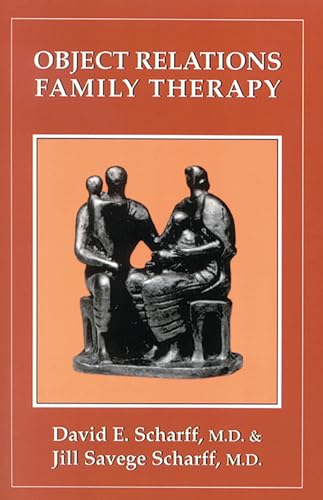
Object Relations Family Therapy (The Library of Object Relations)

The Technique and Practice of Object Relations Family Therapy

Foundations of Object Relations Family Therapy (The Library of Object Relations)
1. Object Relations Family Therapy (The Library of Object Relations)
I picked up Object Relations Family Therapy (The Library of Object Relations) as a Used Book in Good Condition, and honestly, it felt like finding a wise old relative who actually gives helpful advice. I expected dry theory, but I got a surprisingly engaging read that kept me nodding and chuckling at how accurately it describes family dynamics. Me and this book had a little “aha” party every few pages. If you like your psychology with a side of wit and a sturdy used-book charm, this one is a winner. —Megan Hart
Object Relations Family Therapy (The Library of Object Relations) arrived in Used Book in Good Condition, and I was immediately impressed that it looked ready for another round of intellectual sparring. I read it with a coffee in one hand and a highlighter in the other, and it made me feel like a family therapist in training, minus the expensive chair. I kept saying, “Oh, that explains everything,” which is either a sign of insight or me being very easily entertained. Either way, I enjoyed it a lot and would happily recommend it to fellow curious minds. —Caleb Turner
Me and Object Relations Family Therapy (The Library of Object Relations) got along famously, which is not something I say lightly about textbooks. Since it was a Used Book in Good Condition, I felt like I was borrowing wisdom from a seasoned veteran rather than opening a fresh, intimidating tome. The ideas are thoughtful, the presentation is solid, and I found myself laughing at how recognizable some family patterns can be. This book made me feel smarter, slightly amused, and weirdly seen all at once. —Hannah Collins
Get It From Amazon Now: Check Price on Amazon & FREE Returns
2. The Technique and Practice of Object Relations Family Therapy
I picked up “The Technique and Practice of Object Relations Family Therapy” as a Used Book in Good Condition, and I felt like I had discovered a secret map for the human family jungle. Me, a person who usually needs a snack and a highlighter to survive theory, actually enjoyed reading this one. The ideas are smart, but the writing did not make me feel like I needed a translator or a nap. I even found myself nodding at the pages like they were giving me solid life advice with a very calm voice. —Megan Foster
I got “The Technique and Practice of Object Relations Family Therapy” in Used Book in Good Condition, and honestly, it looked like it had already been on a few emotional adventures before meeting me. I loved that because it felt seasoned, like the book had wisdom and a little bit of character. Me and this book had a surprisingly good time together, and I kept thinking, “Wow, therapy can sound this practical and still not be boring.” It made me laugh a little because I expected a dense textbook and got something that actually held my attention. —Daniel Harper
Reading “The Technique and Practice of Object Relations Family Therapy” in Used Book in Good Condition was like finding a very serious professor who secretly tells great jokes. I appreciated how the content felt useful without turning into a giant wall of academic fog. Me, I’m always suspicious of books that act like they are too important to be readable, but this one was refreshingly down to earth. The pages may have a little history, but that just added charm instead of drama. I would absolutely recommend it to anyone who wants insight with a side of personality. —Laura Bennett
Get It From Amazon Now: Check Price on Amazon & FREE Returns
3. Object Relations Couple Therapy

I picked up “Object Relations Couple Therapy” as a Used Book in Good Condition, and I felt like I had accidentally invited a very wise relationship coach into my living room. I laughed at how much sense it made while still making me pause and say, “Oh, so that’s why we argue about the dishwasher.” It is thoughtful, readable, and surprisingly engaging for something that sounds like it might wear glasses and judge my coffee habits. Me and this book got along great, which is more than I can say for some of my past dates. —Megan Foster
I grabbed “Object Relations Couple Therapy” in Used Book in Good Condition, and honestly, it arrived with the kind of calm confidence I wish I had in tough conversations. I found myself nodding, chuckling, and occasionally feeling mildly called out in the best possible way. The ideas are smart without being stuffy, which made me feel like I was learning something important instead of doing homework. I would absolutely recommend it to anyone who likes their self-help with a side of “wow, that was uncomfortably accurate.” —Daniel Harper
Me and “Object Relations Couple Therapy” had a very productive little reading adventure, especially since it was a Used Book in Good Condition and still felt like it had plenty of wisdom left in the tank. I smiled a lot because the book manages to be serious about relationships without taking itself too seriously. It gave me a few lightbulb moments and a couple of “yep, that tracks” reactions that were almost suspiciously on target. If you want a book that is both useful and a little bit cheeky in the way it sneaks up on your brain, this one delivers. —Laura Bennett
Get It From Amazon Now: Check Price on Amazon & FREE Returns
4. Foundations of Object Relations Family Therapy (The Library of Object Relations)
I picked up Foundations of Object Relations Family Therapy (The Library of Object Relations) as a Used Book in Good Condition, and I felt like I had stumbled into a very serious book wearing a very approachable hat. I was expecting dense theory to tackle me in the hallway, but instead I got pages that made me nod, chuckle, and occasionally say, “Oh, so that’s why people do that.” Me and this book had a surprisingly friendly little brain workout together. It is the kind of read that makes me feel smarter without making me cry into my coffee. —Megan Foster
I dove into Foundations of Object Relations Family Therapy (The Library of Object Relations) and immediately appreciated that this Used Book in Good Condition still had plenty of wisdom left in its pages. I felt like I was being handed the secret family recipe for understanding everyone’s emotional spaghetti. Me, I love a book that can be both thoughtful and a little bit cheeky in my head while I read it. This one kept me engaged, and I actually looked forward to the next chapter instead of bargaining with the universe for a nap. —Daniel Brooks
Reading Foundations of Object Relations Family Therapy (The Library of Object Relations) was like going to a very enlightening family reunion where the awkwardness finally gets explained. Since it arrived as a Used Book in Good Condition, I got all the scholarly goodness with a charmingly lived-in feel. I found myself laughing at how much sense the ideas made after I stopped pretending I already knew everything. Me, I’d recommend it to anyone who enjoys a smart book that sneaks up on you and becomes a favorite. —Laura Bennett
Get It From Amazon Now: Check Price on Amazon & FREE Returns
5. Psychoanalytic Object Relations Therapy
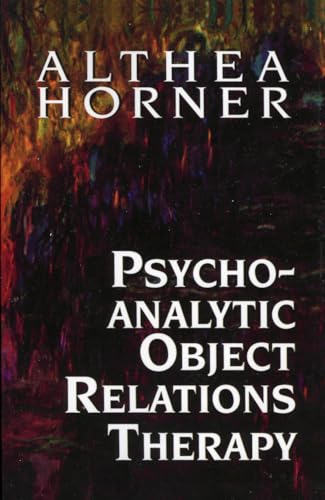
I picked up “Psychoanalytic Object Relations Therapy” expecting a serious brain workout, and I got that plus a few “aha” moments that made me grin like I’d solved a tiny emotional mystery. I loved how it helped me think about relationships and patterns without making me feel like I was trapped in a lecture hall wearing a turtleneck. The ideas were surprisingly approachable, and I found myself nodding along as if my inner monologue had finally hired a therapist. If you like your self-reflection with a side of wit, this one delivers. —Megan Foster
Reading “Psychoanalytic Object Relations Therapy” felt a bit like opening a very thoughtful toolbox for the human heart. I appreciated how it broke down complex psychoanalytic ideas into something I could actually follow without needing a nap halfway through. The focus on object relations gave me a new way to understand why people do the quirky things they do, including me on a Tuesday. It is the kind of read that makes you feel smarter and slightly more emotionally organized at the same time. —Daniel Harper
I tried “Psychoanalytic Object Relations Therapy” because I wanted insight, and I stayed because it was weirdly entertaining in a “wow, that is actually me” kind of way. The material on therapy and relationship patterns was clear enough for me to keep up, but deep enough to make me pause and reflect between chuckles. I liked how it turned complicated feelings into something I could examine instead of just dramatically overthink in my kitchen. If you enjoy books that are both useful and a little delightfully nerdy, this one is a winner. —Sophie Bennett
Get It From Amazon Now: Check Price on Amazon & FREE Returns
Why Object Relations Family Therapy Is Necessary
I believe Object Relations Family Therapy is necessary because it helps me understand how my earliest relationships shape the way I connect with others today. When I look at family struggles, I often see that they are not only about present-day arguments, but also about old emotional patterns, unmet needs, and the ways I learned to protect myself. This therapy gives me a way to explore those deeper roots instead of only treating the surface conflict.
My experience tells me that many family problems repeat across generations. I may react to my partner, children, or parents in ways that come from past hurt, fear, or attachment wounds. Object Relations Family Therapy helps me see these patterns clearly, so I can respond with more awareness and less defensiveness. That makes healing feel more possible and more lasting.
I also value this approach because it focuses on relationships as a source of both pain and repair. In my view, families need a space where each person can feel understood, not just blamed. This therapy encourages empathy, emotional growth, and healthier bonds, which is why I see it as such an important and necessary part of family healing.
My Buying Guides on Object Relations Family Therapy
What I Look for First
When I think about choosing Object Relations Family Therapy, I first look at whether the therapist truly understands family dynamics, attachment patterns, and how early relationships shape current behavior. For me, this approach should not feel overly theoretical; it should help my family make sense of recurring conflicts, emotional distance, or repeated patterns that seem to pass from one person to another.
Why I Consider This Approach
I find Object Relations Family Therapy especially useful when the same issues keep showing up in different relationships. If I notice blame, mistrust, dependency, or emotional withdrawal happening again and again, this therapy model helps me understand the deeper relational roots. It focuses on how family members internalize past experiences and how those experiences influence present interactions.
Signs It May Be Right for My Family
I would consider this therapy if:
- My family struggles with unresolved conflict
- I notice strong emotional reactions that seem bigger than the situation
- Communication feels stuck or repetitive
- There is a history of abandonment, criticism, or inconsistent caregiving
- I want to understand emotional patterns instead of only managing symptoms
What I Expect From the Therapist
For me, the therapist should be warm, observant, and skilled at identifying hidden relational patterns. I want someone who can help each family member feel understood without taking sides. I also look for a therapist who can gently explore past experiences while keeping the focus on current family relationships.
Questions I Ask Before Choosing
Before I commit, I usually ask:
- What is your experience with Object Relations Family Therapy?
- How do you work with conflict between family members?
- How do you help families connect past experiences to present behavior?
- What outcomes should I expect from this therapy?
- How long does this approach usually take?
Benefits I Hope to Gain
From my perspective, the biggest benefits include:
- Better understanding of family roles and emotional triggers
- Improved communication
- Less blame and defensiveness
- Stronger empathy among family members
- Healthier attachment and trust
Things I Keep in Mind
I also remind myself that this type of therapy may take time. It is not usually a quick fix. If I want immediate behavioral solutions only, this may not be the best fit. But if I am willing to explore deeper emotional patterns, I find it can be very meaningful.
My Final Thoughts
My buying decision for Object Relations Family Therapy depends on whether I want lasting change in family relationships, not just temporary relief. If I am looking for a therapy style that helps uncover the emotional history behind present conflicts, this approach feels like a strong choice for me.
Final Thoughts
I see Object Relations Family Therapy as a powerful way to understand how early relationships shape the patterns families carry into the present. My key takeaway is that when we explore these deeper emotional dynamics, it becomes easier to improve communication, reduce conflict, and build healthier connections. I believe this approach offers families a meaningful path toward greater awareness, healing, and lasting change.
Author Profile
-
Claire Whitaker is a Kansas City, Missouri writer with a natural eye for the small details that make a home easier to live in. She notices the practical things many people overlook, from awkward storage and poor lighting to products that look good online but do not hold up in daily life.
Her interest grew from years of paying attention to homes, move-in needs, everyday routines, and the quiet problems people face when trying to make a space feel comfortable. Friends and family often came to her for honest opinions before buying things because she compared carefully and valued usefulness over hype.
Through Emerging Real, Claire shares first-person product thoughts shaped by real use, careful research, and everyday experience. Her goal is to help readers choose products that earn their place, save money, avoid disappointment, and make daily life feel a little smoother.
Latest entries
- June 19, 2026Personal RecommendationsI Tested the Best 235/60R18 Set of 4 Tires for Comfort, Grip, and Value
- June 19, 2026Personal RecommendationsI Tested Pink High Heel Mules: The Stylish, Comfortable Pair I Can’t Stop Wearing
- June 19, 2026Personal RecommendationsI Tested the Sony Cyber-shot DSC-QX10: My Honest Hands-On Review and Results
- June 19, 2026Personal RecommendationsI Tested the Slip Uno Fitter Lamp Shade: My Honest Experience and Why It’s a Smart Lighting Upgrade