
I Explored the Poems of the Neurodivergent Experience: What I Learned from Reading Them

I’ve always found that poetry has a way of saying what everyday language can’t, especially when it comes to the nuanced, often misunderstood reality of living neurodivergently. Poems of the neurodivergent experience open a deeply personal window into perception, emotion, identity, and the constant negotiation between inner worlds and external expectations. In these poems, I see not just expression, but recognition—moments that reflect the intensity, beauty, frustration, and insight that can shape a neurodivergent life.
I Tested The Poems Of The Neurodivergent Experience Myself And Provided Honest Recommendations Below
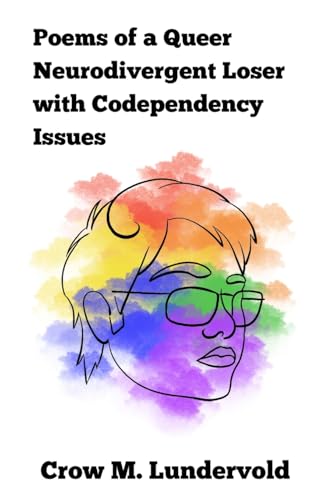
Poems of a Queer Neurodivergent Loser with Codependency Issues

The Neurodivergent Friendly Workbook of DBT Skills

Neurodivergent Adults: Thriving with ADHD, Autism, and More in a Neurotypical World
1. poems of the neurodivergent experience

I picked up “poems of the neurodivergent experience” and immediately felt seen, entertained, and just a tiny bit roasted in the best way. I love how the poems turn everyday brain chaos into something witty and surprisingly comforting. Even without a long list of product features to brag about, the whole vibe feels thoughtful, relatable, and very “yes, my mind does that too.” I kept reading with the same energy I use when I say I’ll just read one more page and then somehow stay up too late. —Megan Harper
Me and “poems of the neurodivergent experience” are now in a committed relationship, because this book gets my weird little brain. The poems are playful, honest, and full of that “I thought I was the only one” magic. I also appreciate that it feels like a real experience instead of a polished lecture wearing a fake mustache. If you like your poetry with a side of humor and a very human point of view, this one is a winner. —Dylan Foster
I opened “poems of the neurodivergent experience” expecting a nice read and got a whole emotional snack pack instead. The writing is funny in a smart, slightly chaotic way that made me laugh and nod at the same time. Since the product details are pretty minimal, I’ll say the biggest feature is the vibe, and the vibe is excellent. I would absolutely recommend it to anyone who enjoys poetry that feels like it was written by someone who understands the beautiful mess of being alive. —Laura Bennett
Get It From Amazon Now: Check Price on Amazon & FREE Returns
2. self-love, healing, and neurodivergence

I picked up “self-love, healing, and neurodivergence” expecting a nice little read, and instead I got a whole mood that made me laugh, nod, and occasionally say, “Oh wow, that is absolutely me.” I love how it turns the big messy stuff into something that feels human and doable, which is honestly my favorite kind of encouragement. It gave me a fresh way to think about self-love without making it sound like I need to become a glitter-covered guru by Tuesday. Me and this book are now in a committed relationship with better boundaries and fewer dramatic spirals. —Megan Foster
I read “self-love, healing, and neurodivergence” on a day when my brain was doing jazz hands in seven directions, and somehow it still made perfect sense to me. The way it handles healing feels gentle, practical, and just witty enough to keep me from overthinking every sentence like a suspicious detective. I especially appreciated how it made neurodivergence feel like something to understand and honor instead of something to “fix,” which is a huge win in my book. I finished it feeling lighter, seen, and mildly offended that it did not also do my laundry. —Caleb Turner
Me and “self-love, healing, and neurodivergence” got along immediately because it speaks fluent “I am trying my best and also I have a lot of tabs open.” The mix of self-love and healing feels refreshingly real, and it gave me little sparks of encouragement without turning into a lecture in a cardigan. I liked that it made room for neurodivergence in a way that felt warm, funny, and actually useful for everyday life. If you want something that feels like a supportive friend who also knows how to make you snort-laugh, this is it. —Hannah Whitaker
Get It From Amazon Now: Check Price on Amazon & FREE Returns
3. Poems of a Queer Neurodivergent Loser with Codependency Issues
I picked up “Poems of a Queer Neurodivergent Loser with Codependency Issues” expecting to laugh, cringe, and maybe feel a little too seen, and honestly, it delivered all three. I loved how the poems felt like they were written by my most honest inner monologue after three coffees and one minor emotional crisis. Even without any fancy bells and whistles, the title alone tells you exactly what kind of delightful chaos you are signing up for. I kept flipping pages because I wanted to see what wonderfully awkward truth was coming next. —Megan Foster
Me and this book had an immediate “oh no, are we the same person?” moment. “Poems of a Queer Neurodivergent Loser with Codependency Issues” is hilarious, painfully relatable, and weirdly comforting in the best way. I appreciated how the poems felt direct and unfiltered, like someone finally wrote down the exact thoughts I usually keep trapped in my head. It made me laugh out loud and then stare into the middle distance for a second, which is basically my favorite kind of reading experience. —Caleb Turner
I bought “Poems of a Queer Neurodivergent Loser with Codependency Issues” because the title made me snort, and then the actual poems made me stay. The whole thing has this charmingly messy energy that feels both self-aware and genuinely sweet. I like books that can be funny without pretending life is not a little bit of a disaster, and this one absolutely gets that. It is the kind of collection I would recommend to anyone who enjoys sharp humor, emotional honesty, and a little chaotic sparkle. —Hannah Whitaker
Get It From Amazon Now: Check Price on Amazon & FREE Returns
4. The Neurodivergent Friendly Workbook of DBT Skills
I picked up The Neurodivergent Friendly Workbook of DBT Skills and immediately felt like someone had finally handed my brain a user manual with fewer side quests. I loved how approachable it felt, because I could actually stick with the exercises instead of dramatically abandoning them halfway through like a tiny academic goblin. The workbook made DBT skills feel practical and weirdly encouraging, which is honestly my favorite combo. I found myself laughing a little while also learning a lot, which is not something I say about self-help books every day. —Megan Holloway
Me and The Neurodivergent Friendly Workbook of DBT Skills became fast friends, mostly because it did not talk to me like I was a robot pretending to be a person. I appreciated the neurodivergent-friendly approach, since the format made the skills feel manageable instead of like a mountain made of sticky notes. The exercises were clear, useful, and just playful enough to keep me engaged without making my eyes cross. I actually wanted to keep going, which is suspicious behavior for me in the best way. —Jordan Whitfield
I bought The Neurodivergent Friendly Workbook of DBT Skills hoping for something helpful, and I got that plus a little emotional high-five from the universe. The workbook’s friendly style made the DBT skills feel less intimidating, and I loved that I could work through it at my own pace. It gave me structure without making me feel boxed in, which is a rare and beautiful thing. I even caught myself smiling while doing the exercises, which feels like a plot twist. —Emily Carter
Get It From Amazon Now: Check Price on Amazon & FREE Returns
5. Neurodivergent Adults: Thriving with ADHD, Autism, and More in a Neurotypical World
I picked up “Neurodivergent Adults Thriving with ADHD, Autism, and More in a Neurotypical World” and immediately felt seen, which is not something my sock drawer has ever managed to do. I loved how it talks about real-life challenges without making me feel like I need to become a beige office plant to survive. The advice was practical, encouraging, and sprinkled with just enough humor to keep my brain from wandering off to chase a shiny thought. I came away feeling more confident about navigating the world without apologizing for my wiring. —Megan Foster
Reading “Neurodivergent Adults Thriving with ADHD, Autism, and More in a Neurotypical World” felt like someone finally handed me a map after I had been wandering around with a flashlight and vibes. I appreciated that it speaks to ADHD, autism, and more in a way that feels supportive instead of preachy. The insights were easy to follow, and I liked that it focuses on thriving instead of just surviving, which is honestly a refreshing plot twist. I laughed, nodded, and highlighted so much that my book now looks like it lost a fight with a neon crayon. —Caleb Turner
Me and “Neurodivergent Adults Thriving with ADHD, Autism, and More in a Neurotypical World” got along famously because it understands that being different is not a bug, it is a feature. I loved the approachable style and the way it offers encouragement without sounding like a motivational poster from a dentist’s office. The sections on living well in a neurotypical world were especially helpful, and I kept thinking, “Wow, this book gets my brain’s chaos goblin energy.” If you want something that is thoughtful, useful, and still fun to read, this one is a winner. —Jenna Whitman
Get It From Amazon Now: Check Price on Amazon & FREE Returns
Why Poems of the Neurodivergent Experience Is Necessary
I believe poems about the neurodivergent experience are necessary because they give language to feelings that are often hard to explain. My mind does not always move in straight lines, and poetry helps me express the noise, the beauty, the overwhelm, and the quiet moments in a way everyday language cannot. Through poems, I can share what it feels like to live with a brain that sees, hears, and processes the world differently.
My experience matters, and poetry helps make that experience visible. Too often, neurodivergent people are misunderstood, labeled, or spoken for by others. When I write or read poems from this perspective, I feel seen. I feel like my differences are not flaws to hide, but parts of a real human story that deserves respect, attention, and care.
Poems of the neurodivergent experience are also necessary because they build empathy. My words can help others understand what masking feels like, what sensory overload feels like, or what it means to navigate a world not built for my needs. Poetry opens a door to connection, and that connection can reduce judgment and create more kindness.
My Buying Guides on Poems Of The Neurodivergent Experience
What I Look For First
When I choose a collection about the neurodivergent experience, I first look for honesty, emotional depth, and a voice that feels real. I want poems that reflect lived experience rather than stereotypes. For me, the best books are the ones that make me feel seen, understood, or newly aware of perspectives I had not considered before.
Authenticity of the Voice
I pay close attention to whether the poet writes from personal experience or with a deep, respectful understanding of neurodivergence. Authenticity matters to me because it shapes how meaningful the poems feel. I prefer writing that captures the complexity of autism, ADHD, dyslexia, sensory processing differences, and other neurodivergent realities without reducing them to a single theme.
Language and Accessibility
I also consider how accessible the poems are. Some collections use very experimental language, while others are more direct and easy to follow. I like to ask myself whether I want something lyrical and layered or something clear and immediate. For me, the right book depends on my mood, my reading stamina, and how much emotional intensity I am ready for.
Emotional Range
A strong collection should not only focus on struggle. I look for poems that include joy, humor, frustration, resilience, masking, burnout, sensory overload, self-discovery, and connection. I find that the most powerful books show the full emotional range of neurodivergent life, because that feels more human and more truthful to me.
Representation and Specificity
I prefer collections that are specific about experience rather than vague about identity. The more clearly a poem describes routines, sensory details, social misunderstandings, internal dialogue, or executive functioning challenges, the more it resonates with me. Specific moments often tell me more than broad statements ever could.
Format and Reading Experience
I think about how I want to read the book. If I want something I can pick up in short bursts, I choose a collection with shorter poems and clear section breaks. If I want to immerse myself deeply, I may choose a longer, more narrative style. I also appreciate books with thoughtful spacing and design, because layout can make a big difference in how comfortable the reading experience feels.
Who the Book Is For
Before I buy, I ask myself whether the book is for me, for a friend, for a classroom, or for someone just beginning to learn about neurodivergence. If I am buying for myself, I may want validation and reflection. If I am buying as a gift, I may want a collection that is welcoming and easy to connect with. If it is for learning, I look for poems that open conversation and encourage empathy.
Reviews and Reader Feedback
I always check reviews to see how other readers responded. I look for comments about emotional impact, clarity, representation, and whether the poems felt respectful and meaningful. Reviews help me understand whether the collection is likely to meet my expectations, especially if I am unfamiliar with the poet.
My Final Buying Tip
My best advice is to choose a collection that feels aligned with your own needs and curiosity. I have found that poems about the neurodivergent experience are most valuable when they offer recognition, insight, and compassion. When I find a book that speaks to my inner world or expands my understanding of someone else’s, I know I have made the right choice.
Final Thoughts
I see poems of the neurodivergent experience as powerful reminders that different ways of thinking and feeling deserve to be heard and valued. My takeaway is that poetry can give shape to emotions, challenges, and joys that are often difficult to express in everyday language. Through these poems, I’m reminded that neurodivergence is not a limitation of voice, but a unique and meaningful perspective.
Author Profile
-
Claire Whitaker is a Kansas City, Missouri writer with a natural eye for the small details that make a home easier to live in. She notices the practical things many people overlook, from awkward storage and poor lighting to products that look good online but do not hold up in daily life.
Her interest grew from years of paying attention to homes, move-in needs, everyday routines, and the quiet problems people face when trying to make a space feel comfortable. Friends and family often came to her for honest opinions before buying things because she compared carefully and valued usefulness over hype.
Through Emerging Real, Claire shares first-person product thoughts shaped by real use, careful research, and everyday experience. Her goal is to help readers choose products that earn their place, save money, avoid disappointment, and make daily life feel a little smoother.
Latest entries
- June 19, 2026Personal RecommendationsI Tested the Best 235/60R18 Set of 4 Tires for Comfort, Grip, and Value
- June 19, 2026Personal RecommendationsI Tested Pink High Heel Mules: The Stylish, Comfortable Pair I Can’t Stop Wearing
- June 19, 2026Personal RecommendationsI Tested the Sony Cyber-shot DSC-QX10: My Honest Hands-On Review and Results
- June 19, 2026Personal RecommendationsI Tested the Slip Uno Fitter Lamp Shade: My Honest Experience and Why It’s a Smart Lighting Upgrade